
Six Traditional Western Church Bell Styles
We cast six traditional church bell profiles. Tell us which matches your church's architecture.
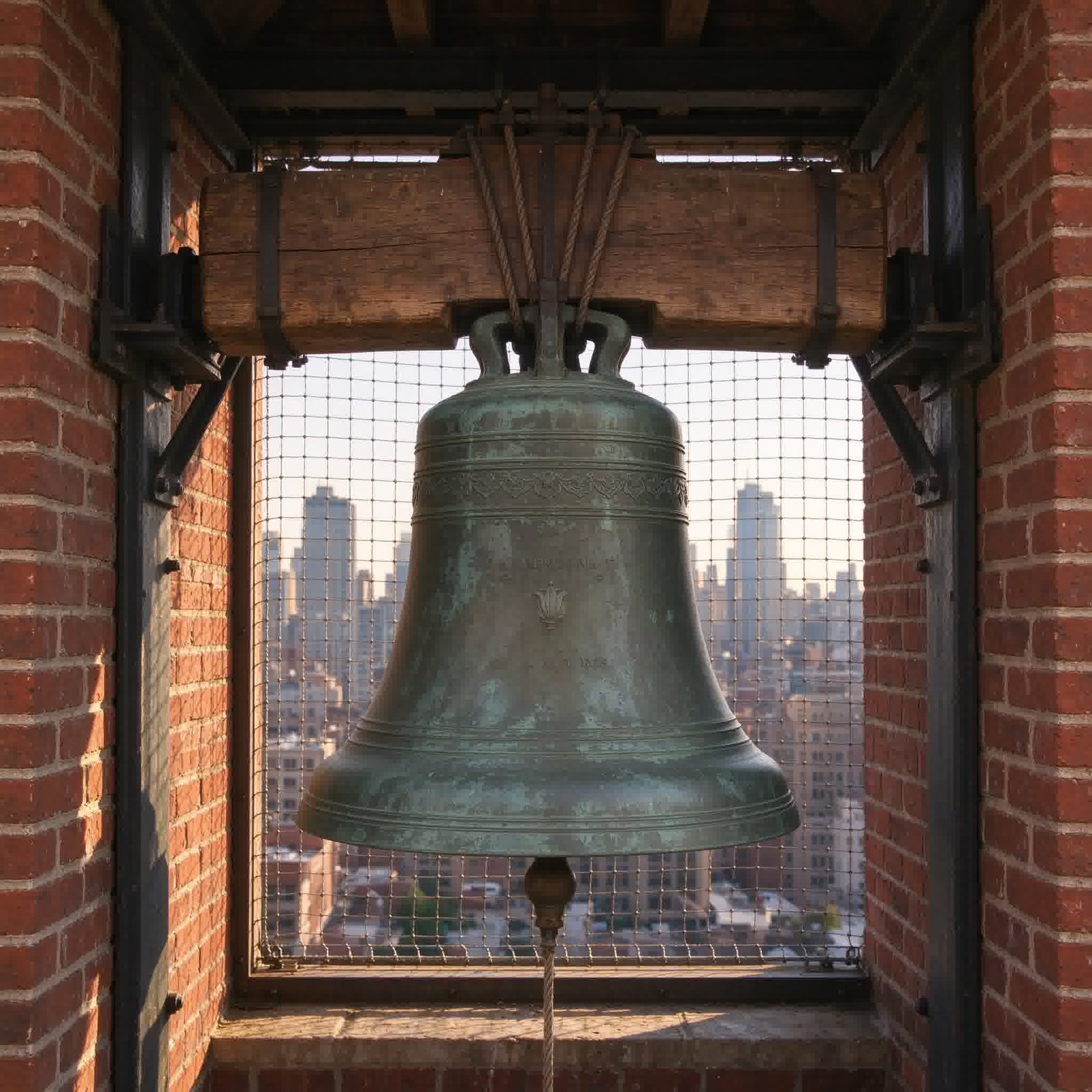
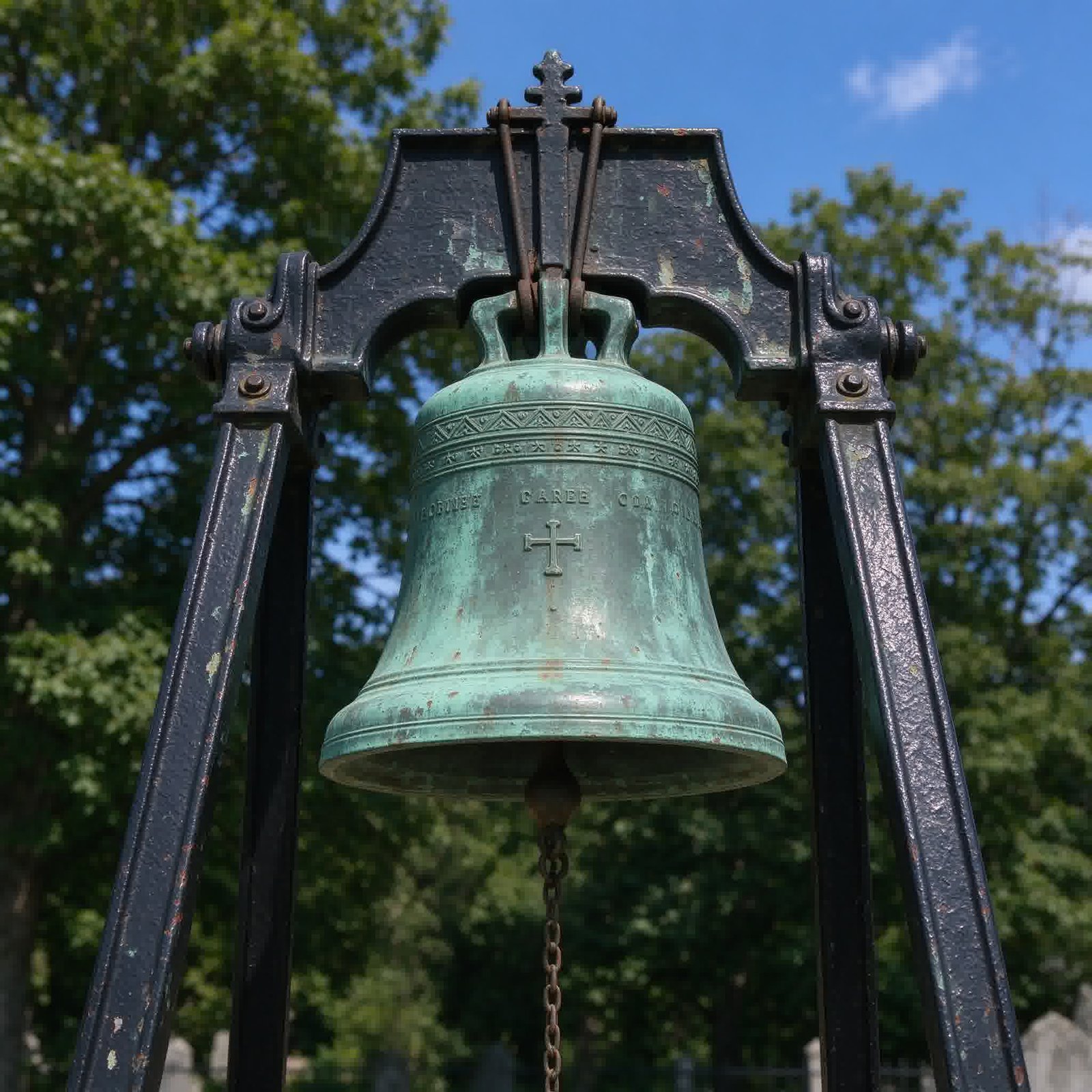
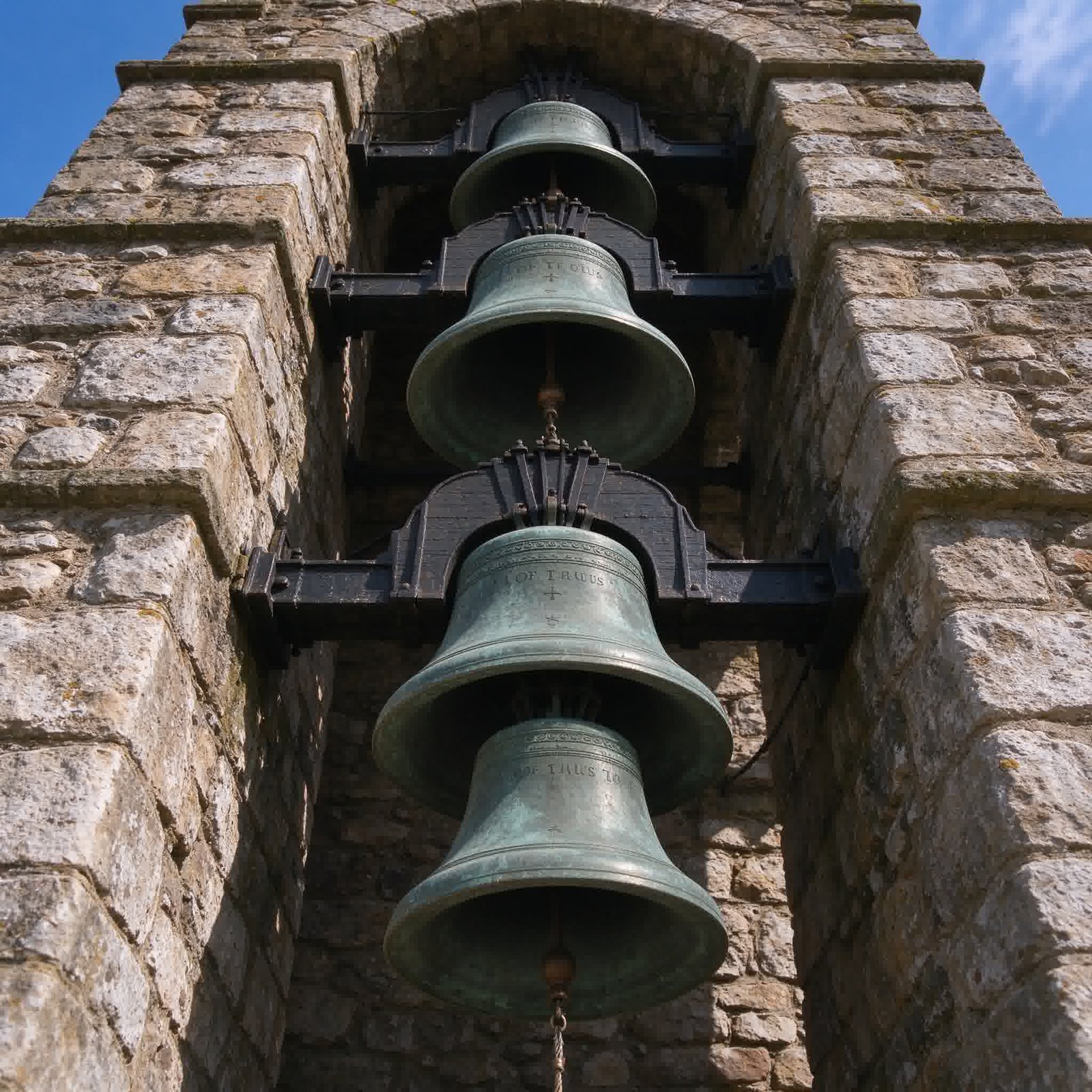
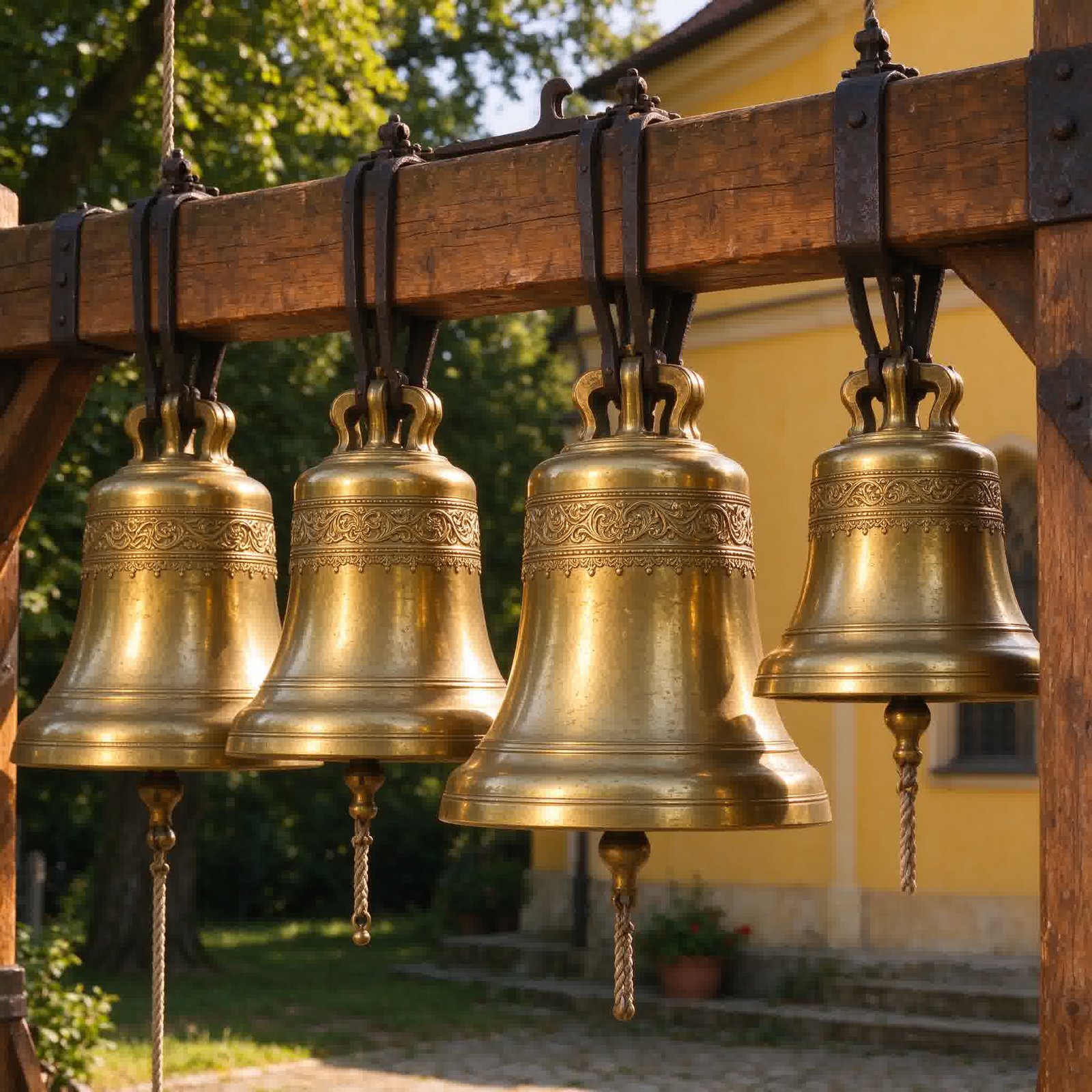
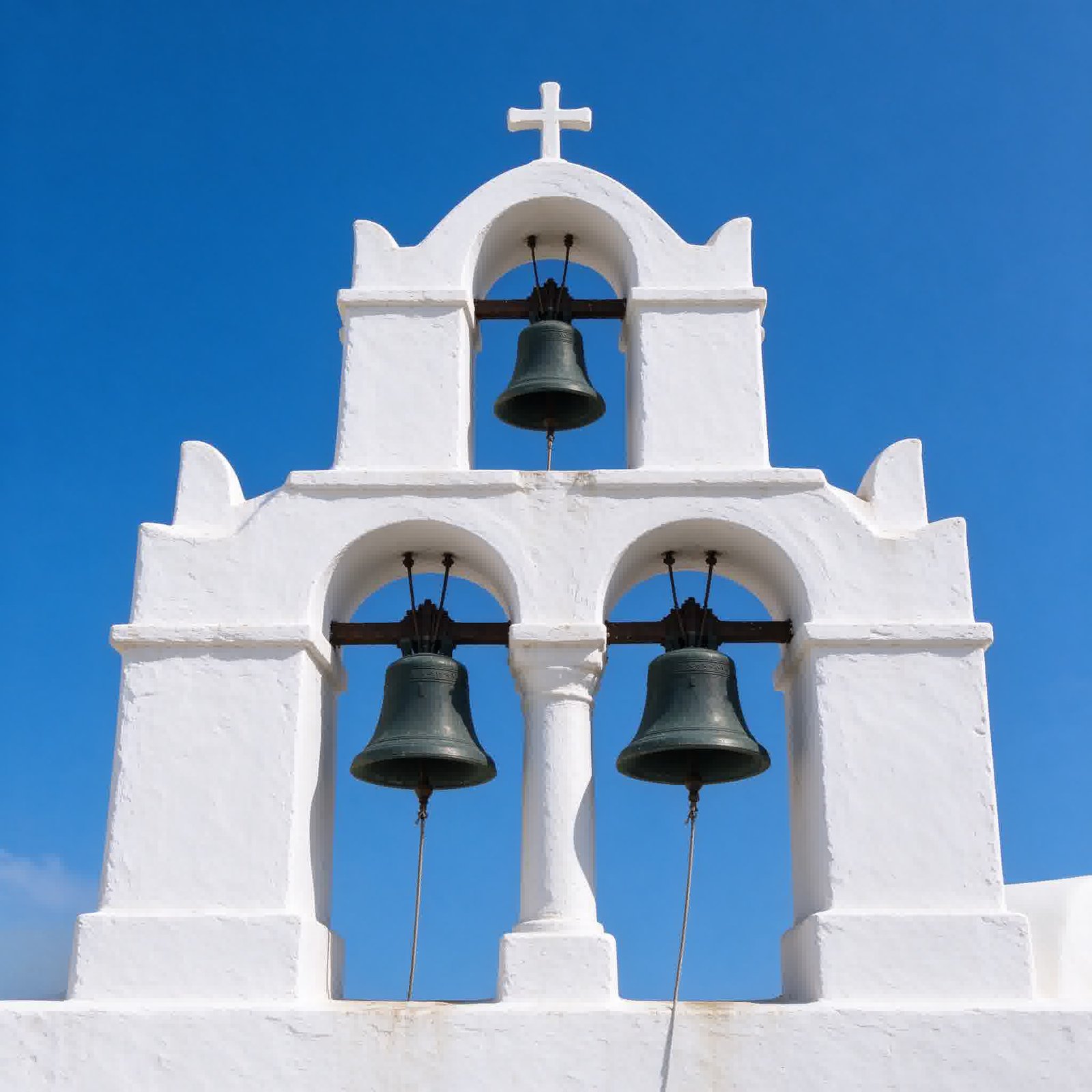
True Church Bell Bronze
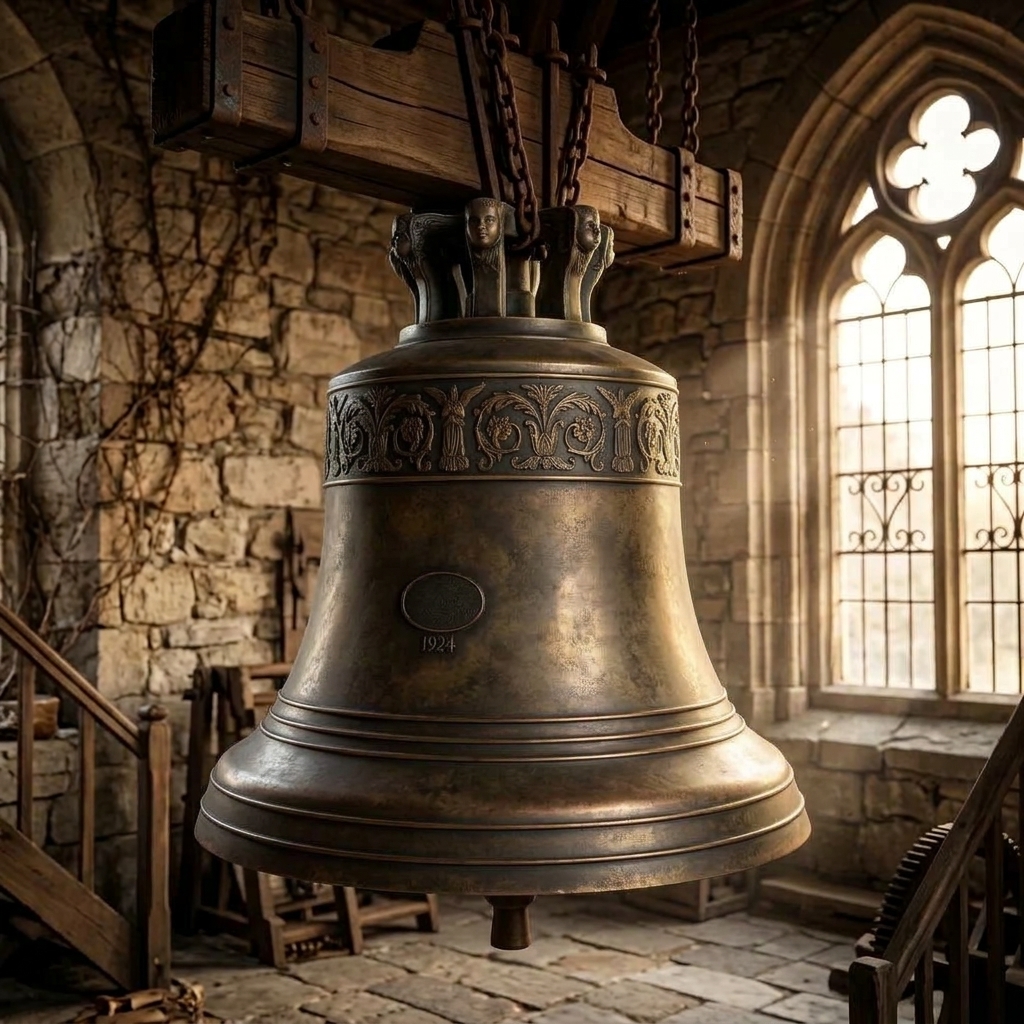
Our standard alloy is true church bell bronze — the high-tin bronze used in historic European cathedral bells. It rings with a warm, long-lasting tone that deepens with age. For smaller or budget projects we also cast in ordinary bronze, brass, cast iron and aluminum.
Clapper, Yoke & Finish
- Clapper — wrought iron with bronze striking face; full bronze optional for smoother tone.
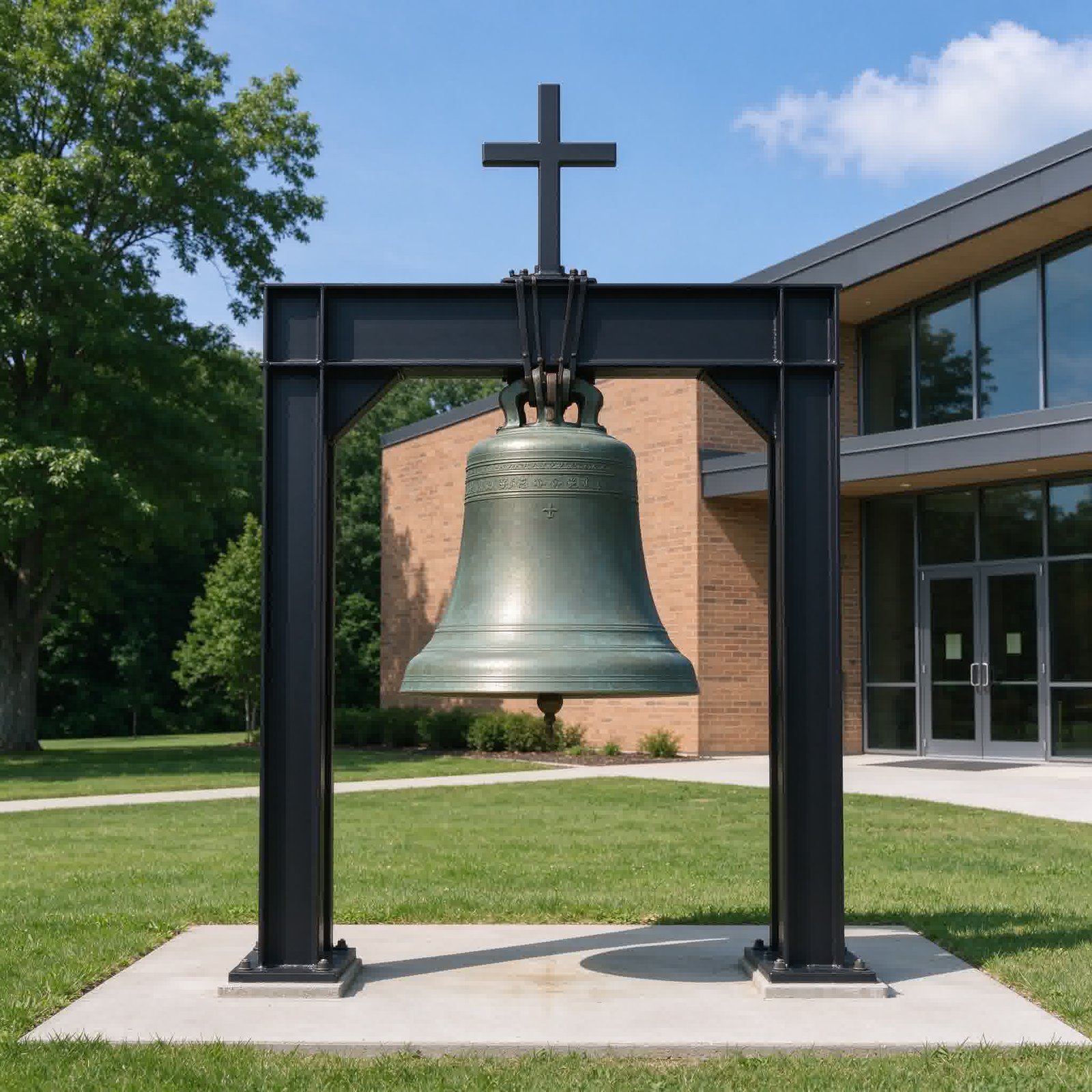
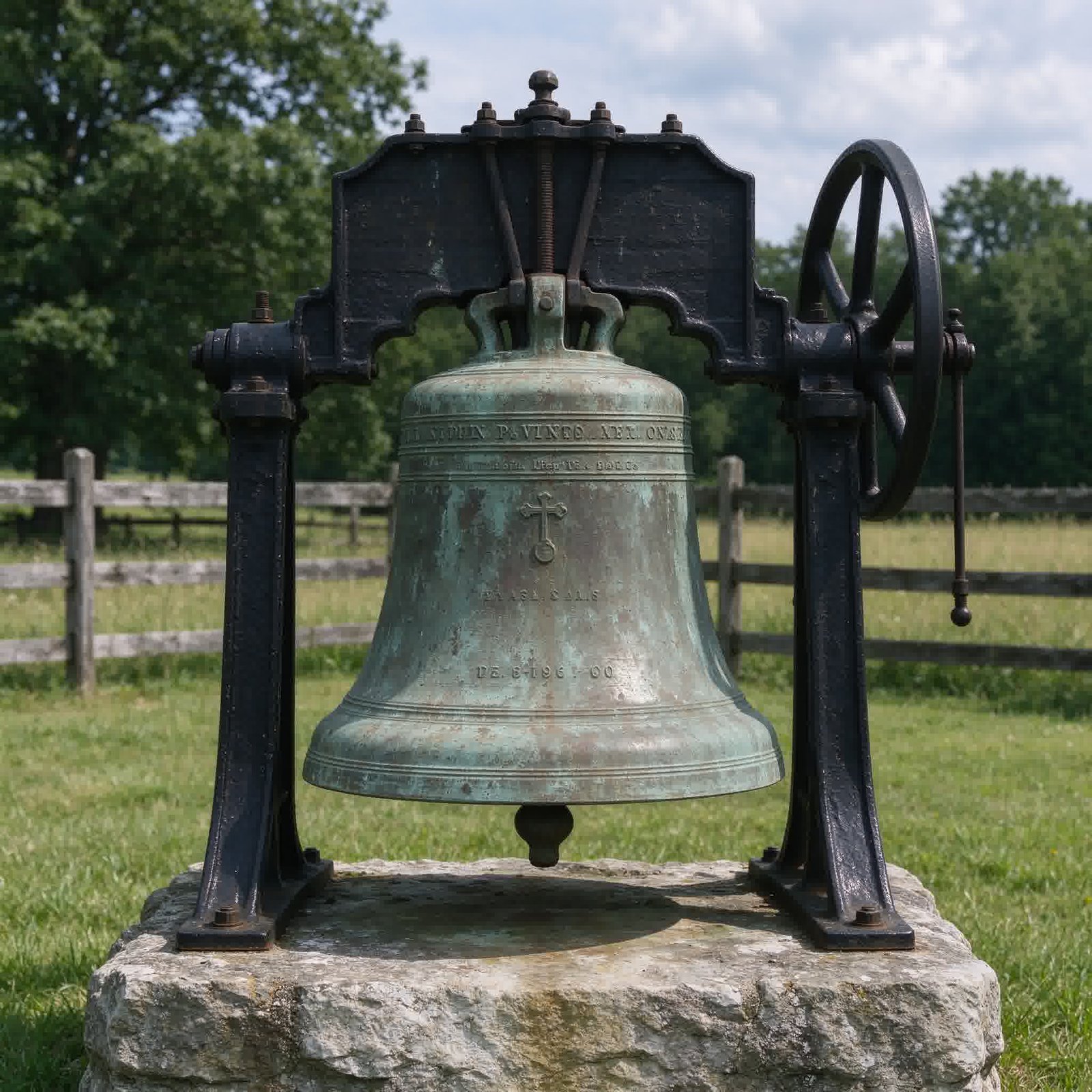
- Yoke — oak or elm with steel bands for traditional hanging; cast steel I-beam for bells over 500 kg.
- Natural patina — factory golden-bronze, weathers to antique outdoors.
- Hand-applied antique — pre-aged dark bronze on delivery.
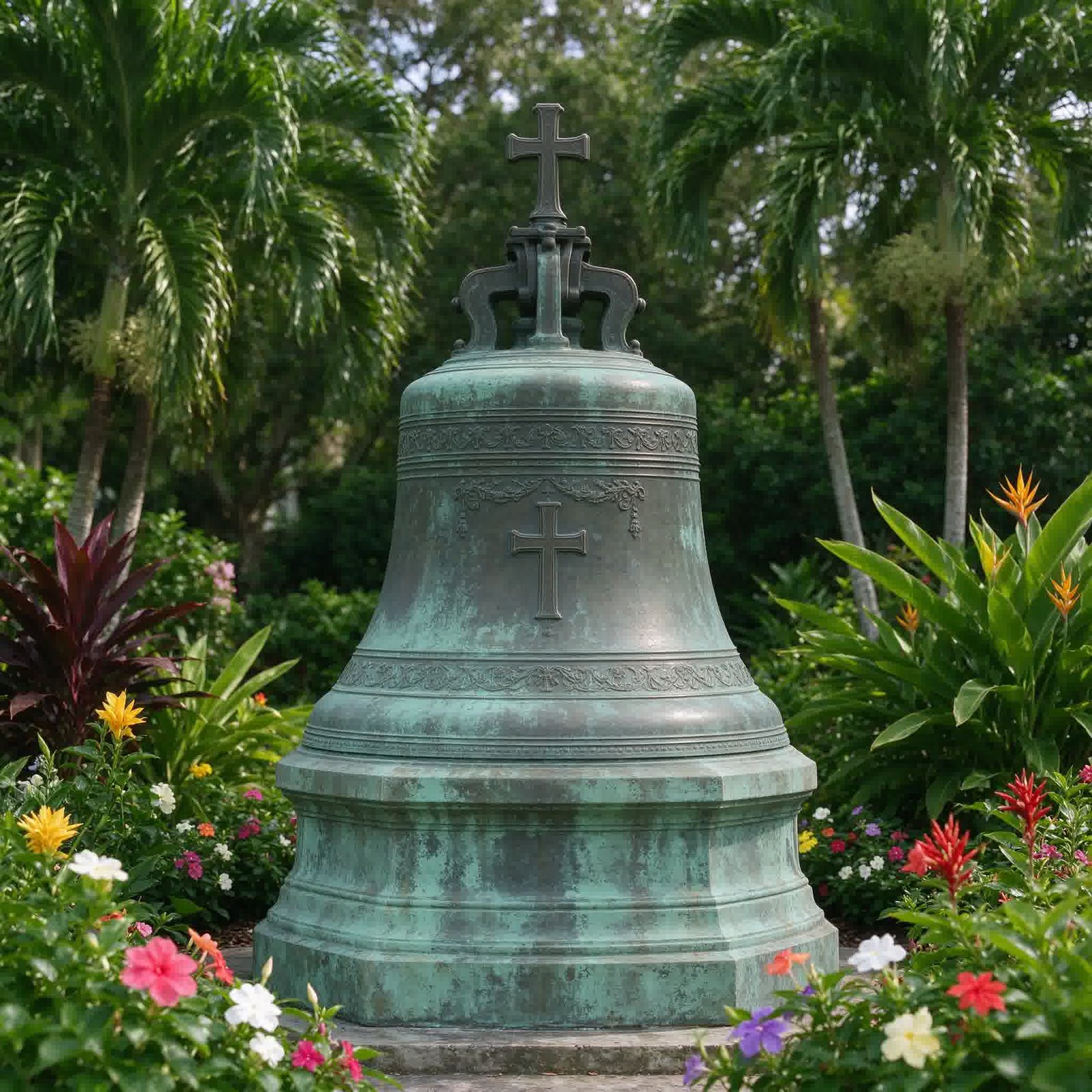
- Dark green verde — Italian-style copper green.
- Polished brass trim — polished inscription band and saint relief.
Custom Bell Sets (Peals)
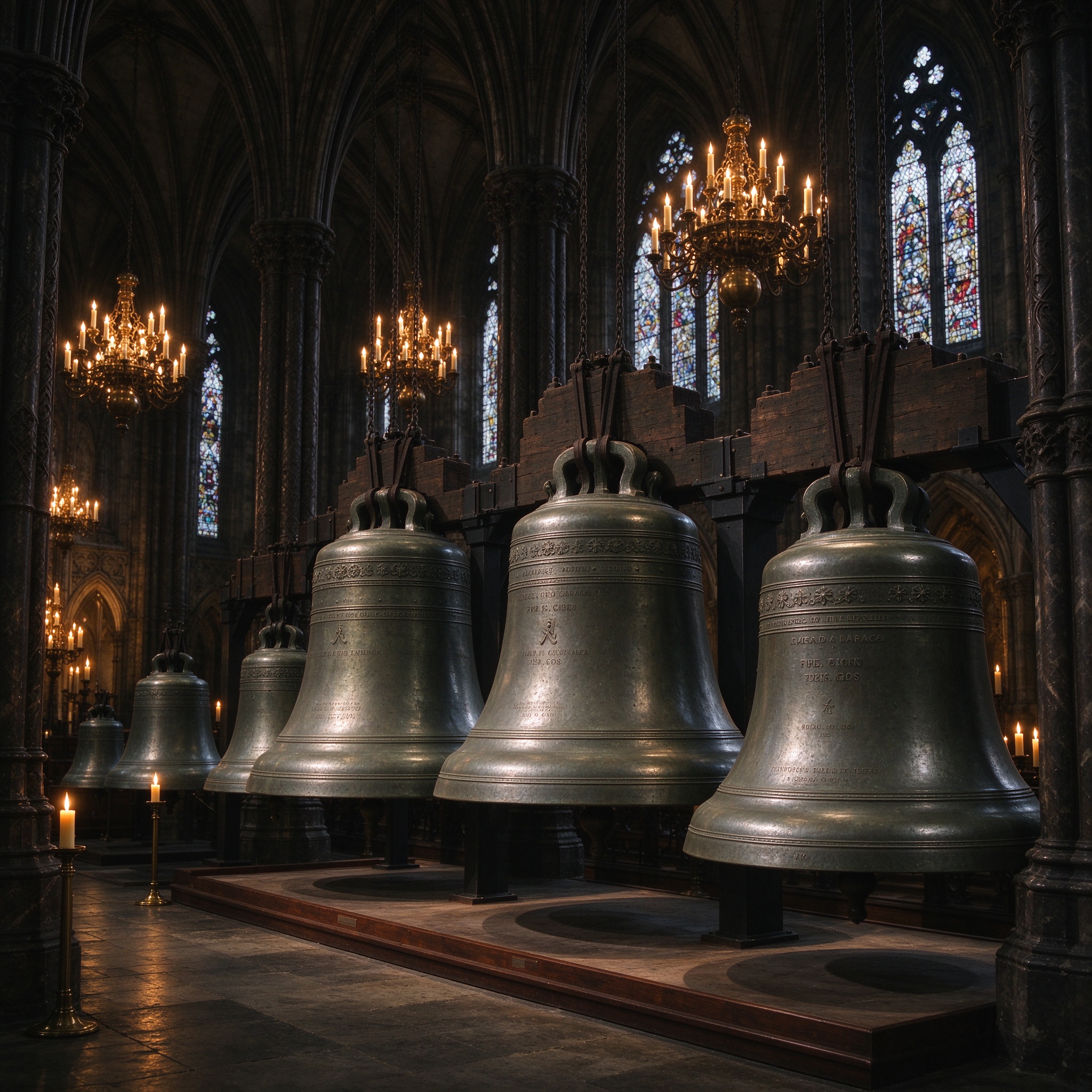
Most Catholic churches do not buy a single church bell — they buy a set tuned together. Canon law and centuries of tradition set the standard:
| Church type | Bells in a set |
|---|---|
| Cathedral | 5+ (full peal) |
| Parish church | 2–3 |
| Monastery / Abbey | 3–4 |
| Chapel / Shrine | 1 |
| Cemetery | 1–2 |
Every Church Bell Is Made to Order
We do not sell stock church bells. The mold is broken after your bell is poured — every church bell is one of one.
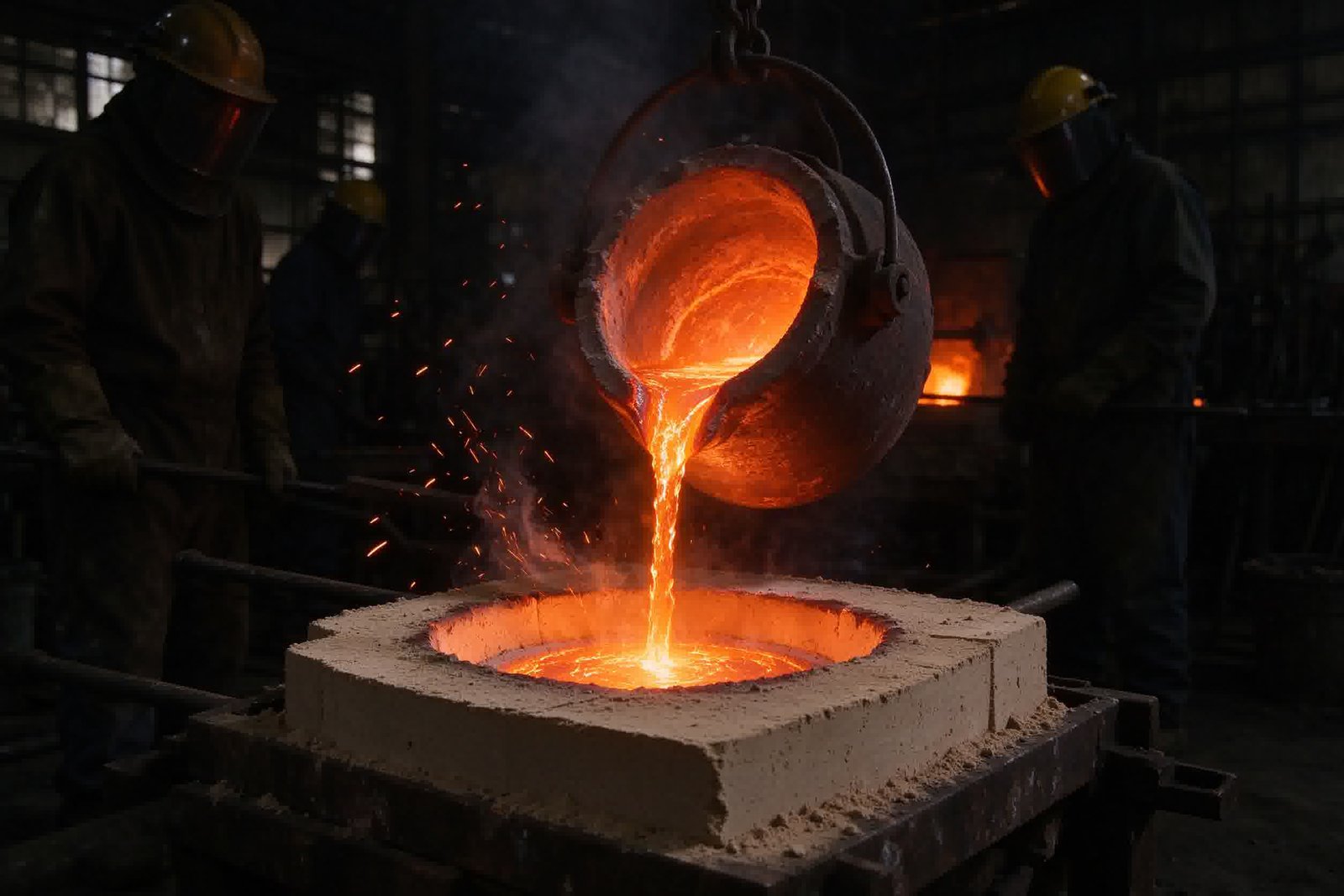
Pattern & Mold
A wooden pattern is carved to your chosen size and profile. The mold is sand-packed around it, layer by layer, and checked for roundness.
Melting
Church bell bronze is melted in a crucible furnace. Every batch is alloyed to spec — we do not re-melt scrap on its own.
Pouring
The molten bronze is poured into the sand mold and left to cool naturally. A 2-ton bourdon may take several days before the mold is broken open.
Cleaning & Tuning
After shake-out, the church bell is sand-blasted, the sound bow hand-turned, and tested acoustically. We adjust the profile until it rings clean.
Patina & Test
We apply the finish you ordered. Before shipping, we strike the church bell and record a short sound clip — you hear your bell before you pay the balance.
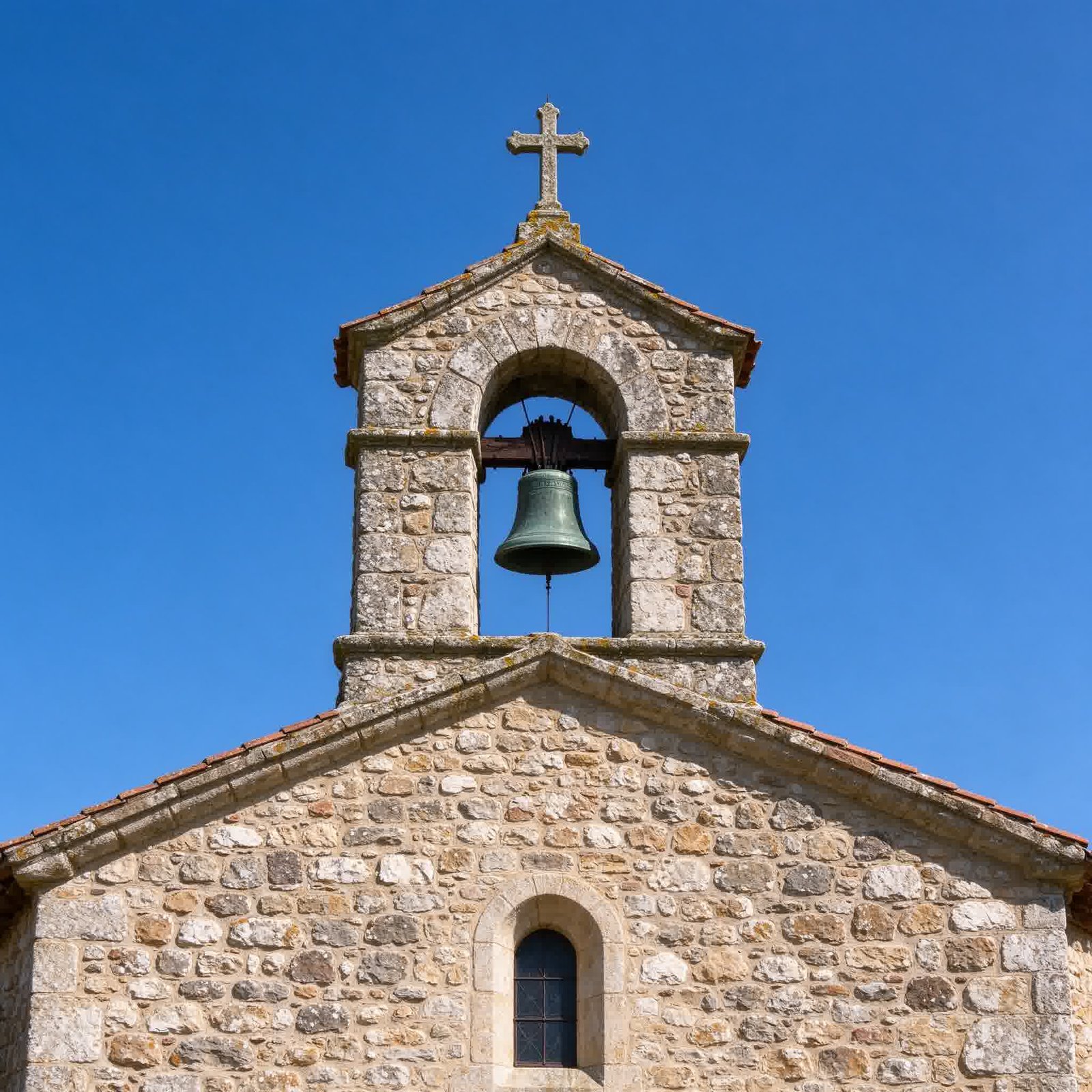
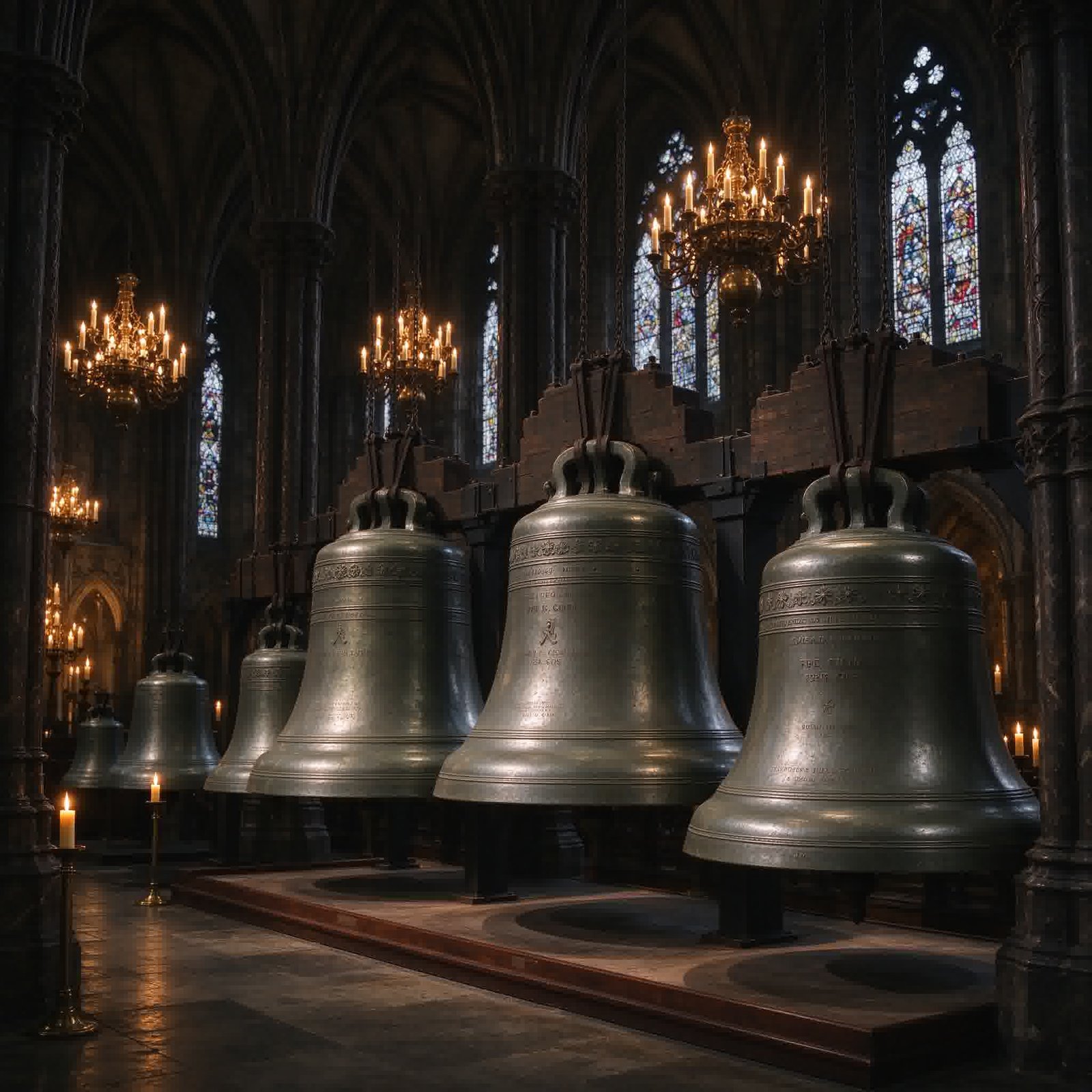
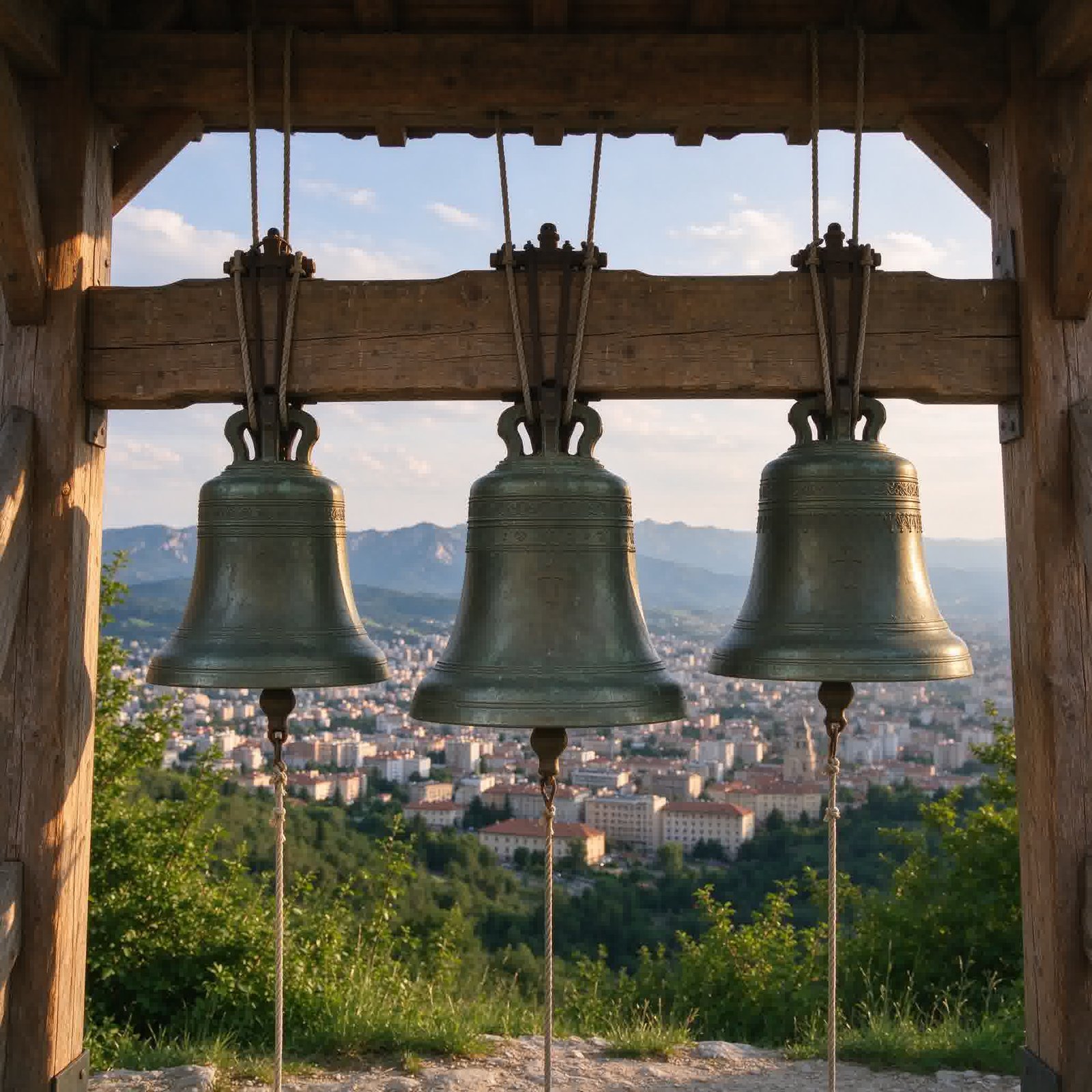
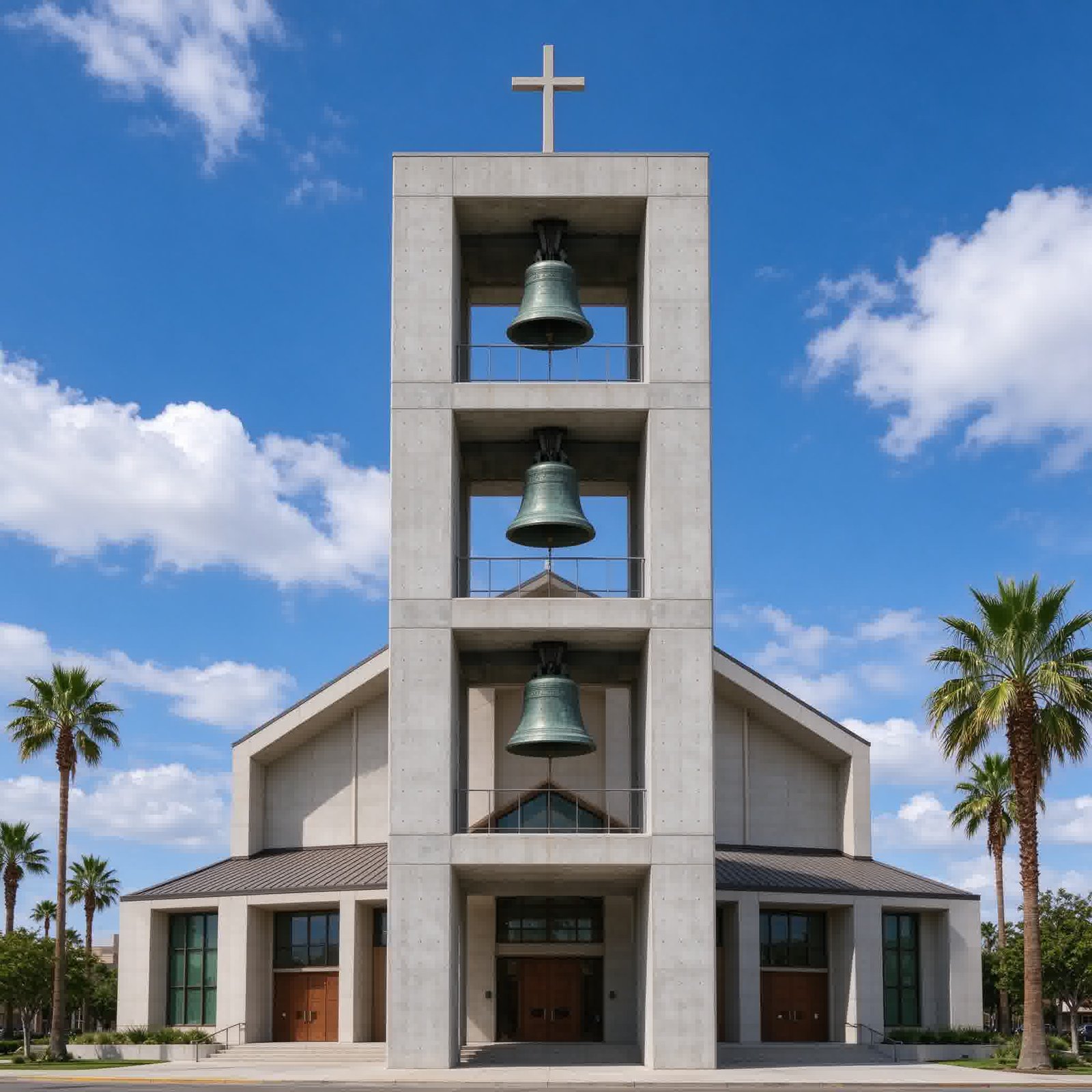
Church Bells for Every Catholic Setting
Five Steps to Your Church Bell
Commissioning a new church bell is a once-in-a-generation decision for most parishes. We keep the process simple and transparent.
Tell us your needs
Send us your church type (or your home grotto), your tower dimensions (or the drawing), and your budget. If you are replacing a cracked old church bell, send a photo and the old bell's diameter.
We propose 2–3 options
Within 48 hours we send a casting proposal: recommended size, weight, tone, style and price. We will tell you honestly if your tower frame can carry the church bell you want.
You approve the design
You confirm the style, inscription, saint's image and surface finish. Custom inscriptions, diocesan crests and patron saints are included in the price — no hidden artwork fees.
We cast and test
Casting takes 45–60 days. Each church bell is sand-cast in bronze, hand-finished, and acoustically tested. You receive a photo and a sound clip before shipment.
We ship to your port
The church bell travels FOB Shanghai, crated for sea freight. It arrives un-blessed, ready for your bishop to perform the rite of blessing. We can recommend installation teams in the US, Ireland, UK, Canada, Australia and the Philippines.
Trade & Supply Orders
We supply church restoration firms, church furnishers, bell hangers, religious-goods importers, ecclesiastical architects and general contractors working on church projects.
Trade Accounts Welcome
Volume pricing, consistent casting quality and priority production slots for orders of three church bells or more.
- Volume pricing on orders of 3+ church bells
- Consistent casting quality batch after batch
- Priority production slots ahead of retail
- Private label / neutral packaging on request
- Technical drawings in metric and imperial
- Trade quote within 48 hours
Church Bell FAQ
Does every church bell you cast ring?
Our church bells are cast to ring — every model above 5 kg is tuned to a chosen note and shipped with a matching bronze clapper. If you need a purely decorative display church bell for a garden, grotto or interior wall, tell us and we can quote a non-ringing version at a lower price.
What are church bells made of?
Traditional Catholic church bells are cast in bronze — the classic church bell metal used in Western churches since the Middle Ages. For smaller and budget projects, we also offer brass, cast iron and aluminum. The choice depends on size, tower budget and the kind of tone your parish wants.
How many church bells does my church need?
The tradition is set by church type: a cathedral traditionally carries five or more church bells tuned as a peal; a parish uses two to three (one Angelus, one Mass, optional bourdon); a monastery or abbey uses three to four for the Divine Office; a chapel, shrine or home grotto uses a single church bell.
Can you cast a custom inscription or saint image on a church bell?
Yes. Every church bell can be cast with a Latin or English inscription (parish name, date, dedication), a relief of the Virgin Mary, the Sacred Heart, or your patron saint, and your diocesan coat of arms. These are included in the casting price — no separate artwork fee.
Do you deliver church bells blessed or un-blessed?
We deliver every church bell un-blessed. The traditional Catholic rite of blessing — with holy water, chrism and the bishop's prayer of consecration — belongs to your diocese.
When do church bells ring?
Catholic church bells ring before Mass, at the Angelus (traditionally 6 a.m., noon and 6 p.m.), at weddings and funerals, on feast days, and — in monasteries — for the Divine Office. On Maundy Thursday through Holy Saturday, the church bells are silent.
Ready to Order Your Church Bell?
Outfitting a parish? Planning a cathedral project? Sourcing for your church supply firm? Or casting a small church bell for your home grotto?
Tell us your church type (or your garden), your tower size and your budget. We will recommend the right church bell, send a drawing and a firm quote within 48 hours.