Description
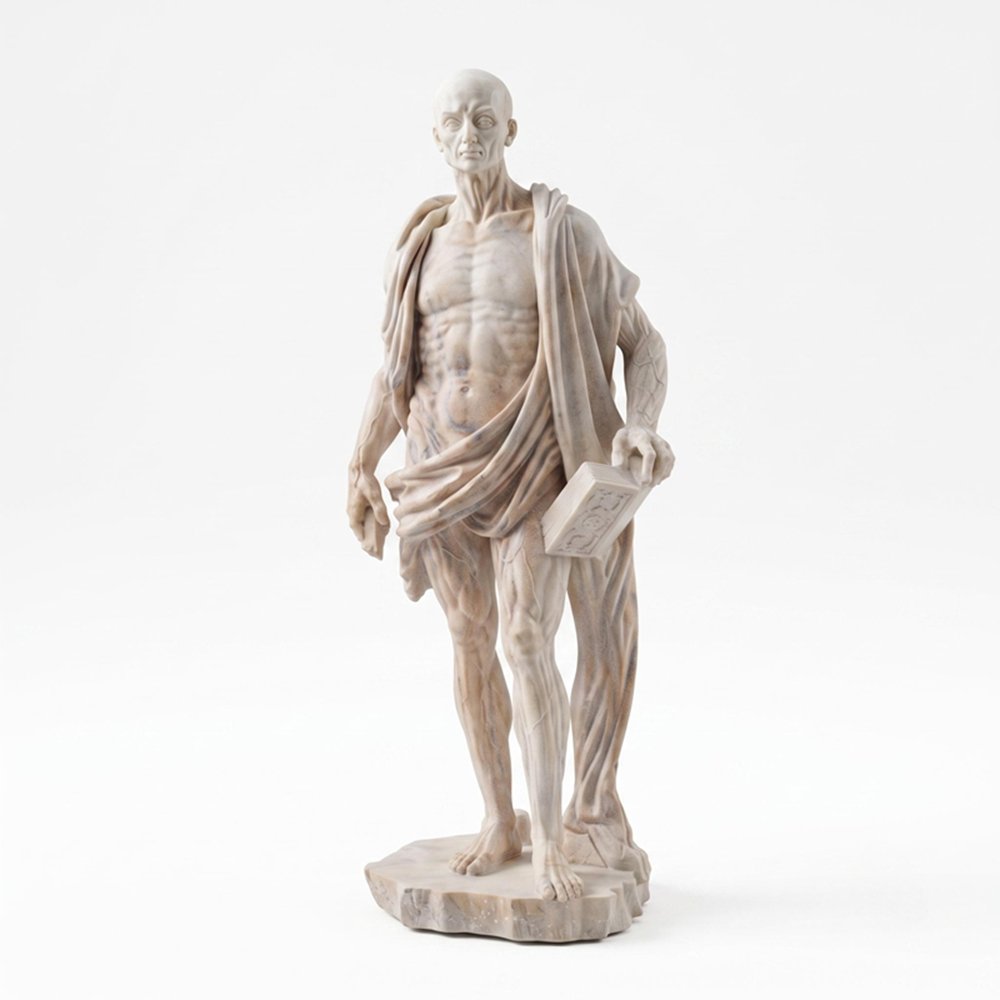
St. Bartholomew stands.
Not collapsed. Not slumped in agony.
Not hoisted upon a cross awaiting the viewer’s tears. He stands — calm, as if bidding farewell to his own body.
This Sunset Red Marble St. Bartholomew statue is a faithful reproduction of Marco d’Agrate’s 1562 original — the piece inside Milan Cathedral that has left generations of visitors standing in silence, unsure of what expression to wear on their own faces.
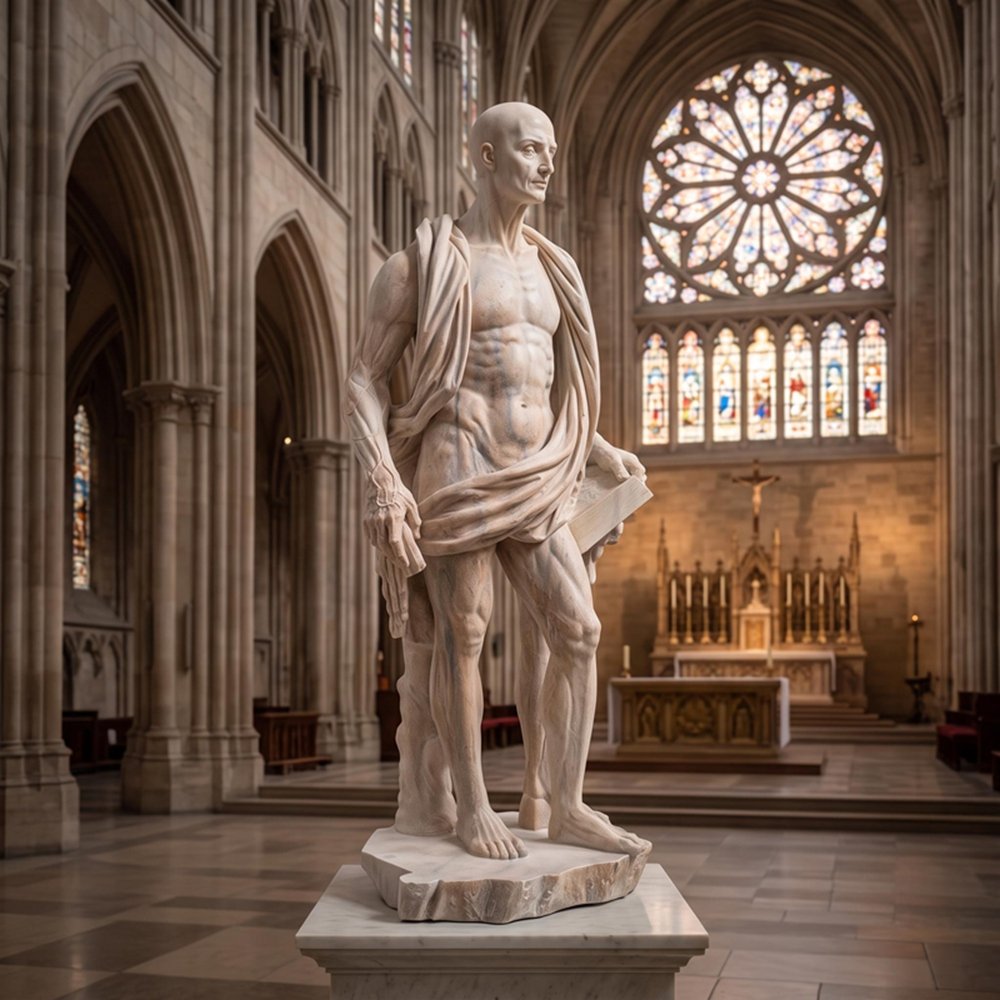
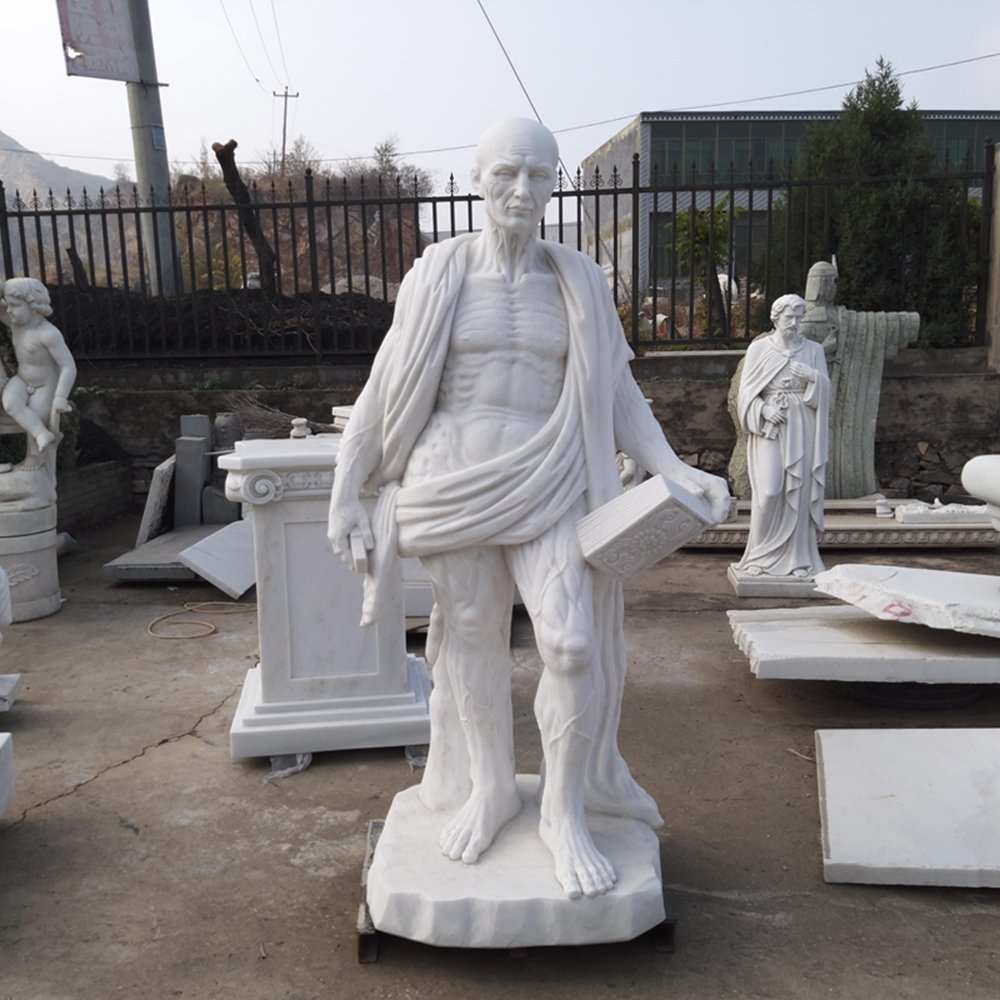
Every muscle is rendered with anatomical precision, each fiber distinct against the surface of the stone. The ribs beneath his chest are clearly defined, as though the sculptor had opened an anatomy atlas and carved it, inch by inch, directly into marble.
And his skin — his own flayed skin — drapes across his shoulders and arms like a length of flowing brocade, rejoining his body in a strange, almost elegant symmetry. This is not a wound. This is a robe. This is not evidence of torture. This is a garment of faith.
This is martyrdom performed with the cold precision of an anatomy lesson.
Exquisitely Hand-Carved
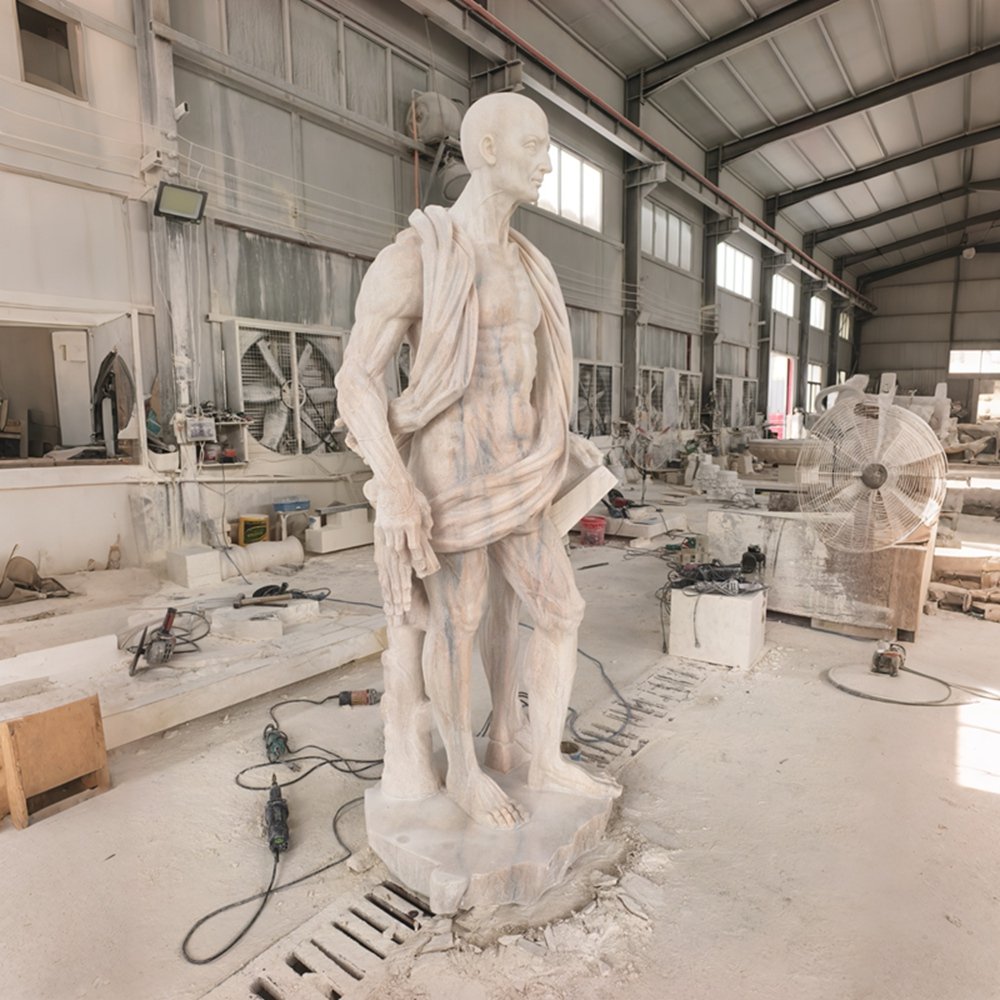
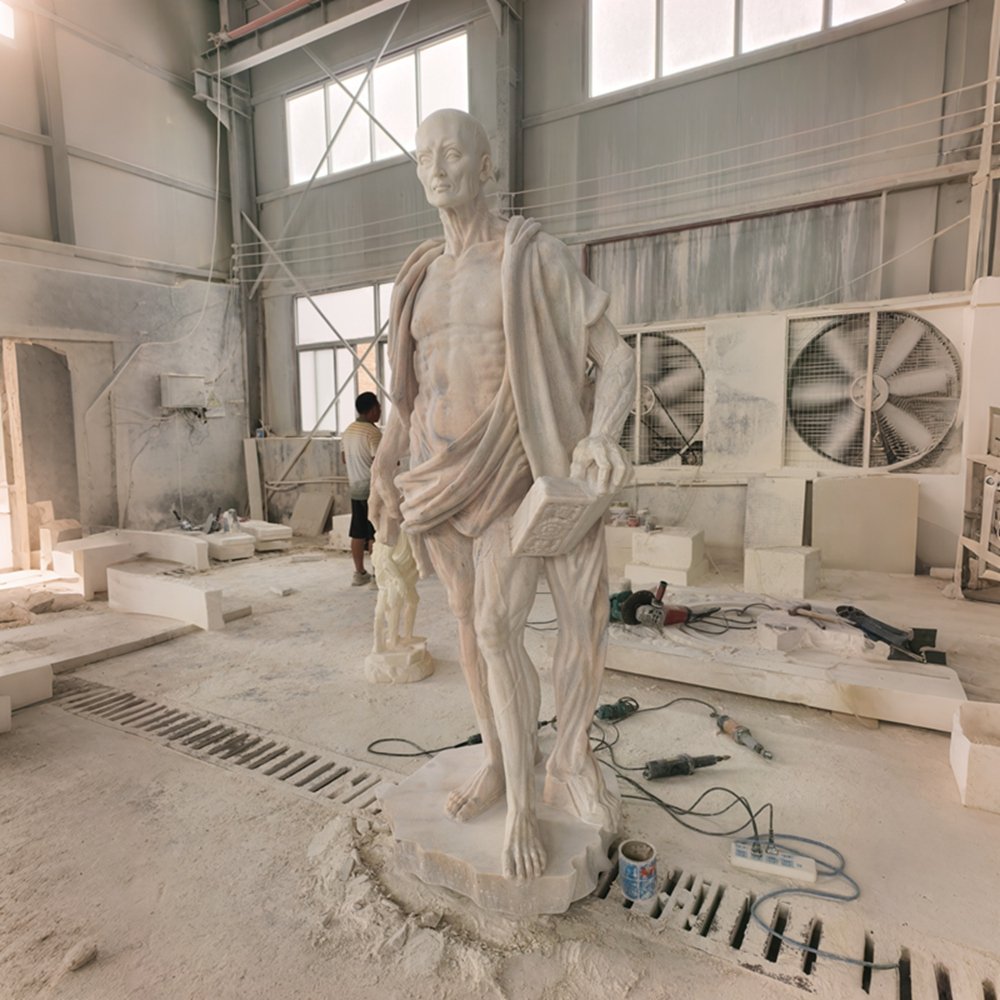
Our master artisans craft each piece from solid premium sunset-red marble, guided by high-fidelity reference scans of the iconic St. Bartholomew original. With hand chisels and mallets, they rough-shape the overall pose, precise proportions, skeleton, ribcage, and muscular structure.
Every distinct muscle segment, delicate sinew, and soft fold of hanging flayed skin is meticulously carved by hand — subtle organic anatomical nuances that no mechanical tool can ever replicate.
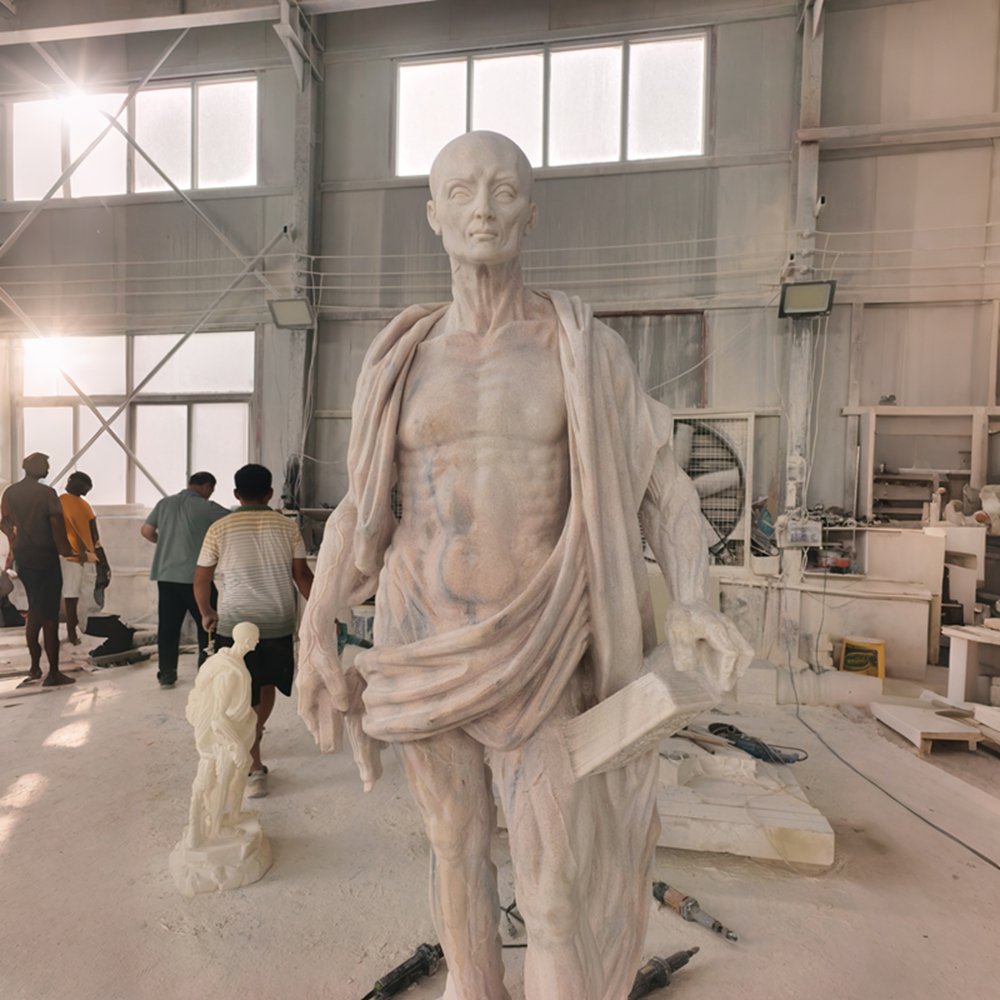
As the spiritual core of this saint statue, the saint’s face is finely chiselled to perfection. It bears a stoic, unperturbed expression — void of pain, grimace, or exaltation — delivering the statue’s profound and unflinching message: My faith is bought with my own flesh. Visible and intelligible.
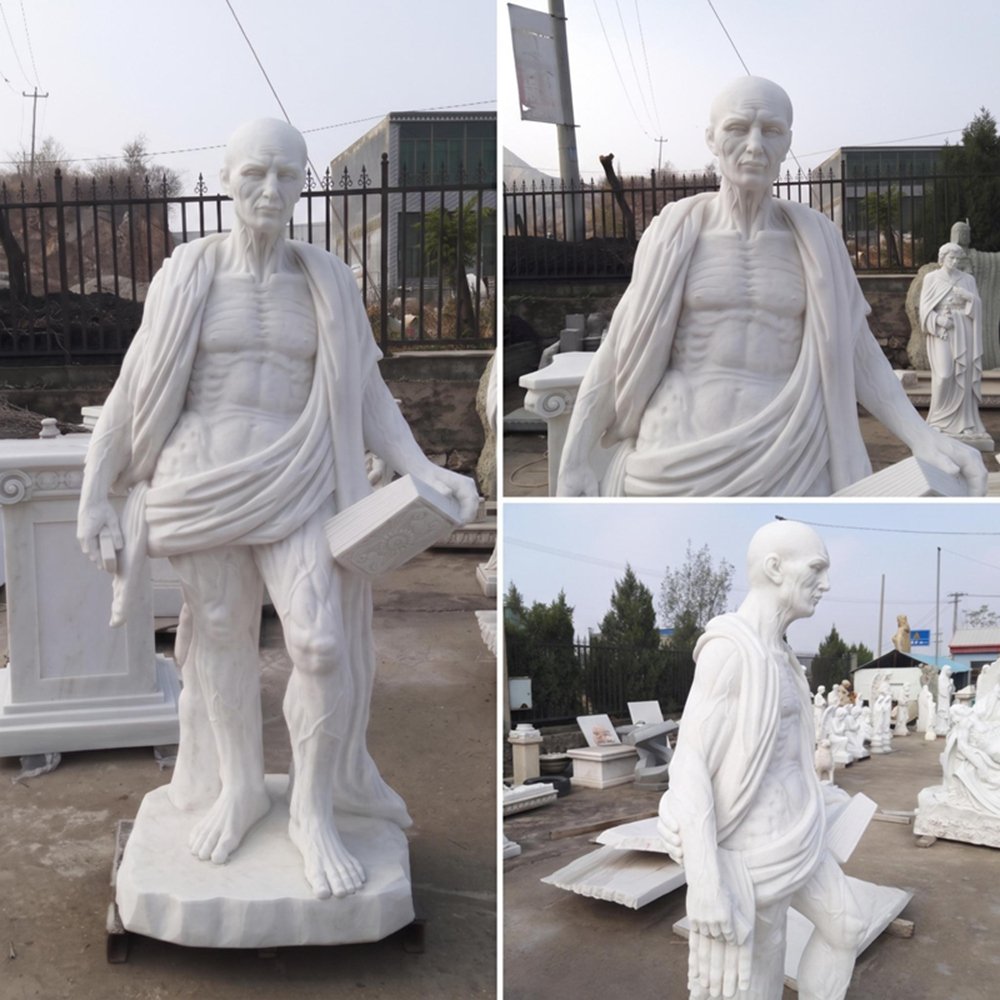
What’s more, for collectors who favor minimalist purity, we also provide the Classic White Marble Edition.
Recommended Placement
This is not a statue meant to invite prayers for protection — it is a sculpture meant to provoke thought. It finds its place best in:
Private art libraries or studies — placed alongside anatomical treatises and Renaissance art history volumes, becoming the room’s most charged conversation piece.
Gothic‑style residential entryways — the first striking impression for any visitor crossing the threshold.
Minimalist modern interiors — where the marble’s cool intensity creates dramatic contrast against clean, empty space.
Private chapels or meditation rooms — as an object of contemplation on the cost of faith, rather than a conventional devotional icon.
Galleries and private collections — as a defining representation of Renaissance anatomical aesthetics.
Background of the Original
Marco d’Agrate (c. 1504–1574) was one of the most significant sculptors working in sixteenth-century Milan.
This St. Bartholomew Flayed Statue was completed in 1562, originally installed on the exterior south side of Milan Cathedral before later being relocated to the interior choir area — which is why it remains accessible for close viewing today.
The statue was created seventy years after Leonardo da Vinci’s Vitruvian Man, and nineteen years after Vesalius published De Humani Corporis Fabrica.
By the mid-sixteenth century, scientific anatomy had become a new language for artists to work with. This was no coincidence — it reflected an entire era’s shared obsession: using reason to deconstruct the sacred, and using the sacred to give reason its meaning.
A Dialogue with the Pietà
Two Martyrdoms, Two Temperatures
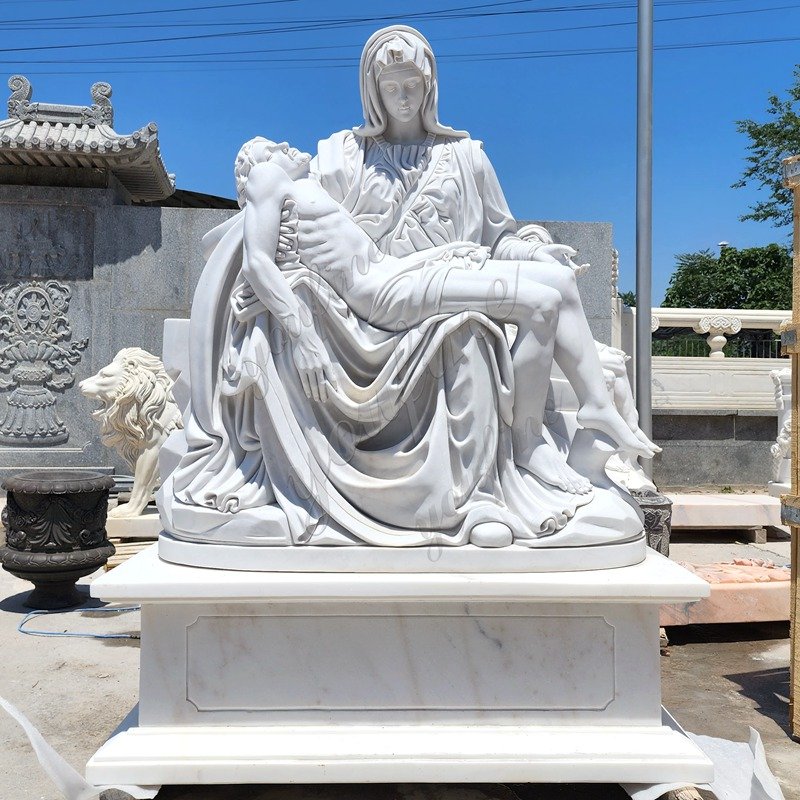
This statue is frequently compared, in art historical discourse, to Michelangelo’s Pietà — two works born from nearly the same century and the same faith, yet embodying two entirely opposite aesthetics of death.
Michelangelo’s Pietà shows the body lying, cradled in the Virgin’s arms — the expression serene, as if in sleep — the body treated with soft, idealized lines, free of visible wounds — the emotional register one of tender grief, inviting the viewer to share in sorrow.
D’Agrate’s St. Bartholomew shows the figure standing, enduring alone — the expression calm, as if simply stating a fact — the body rendered with exact anatomical precision, wounds made fully explicit — the emotional register one of cold demonstration, inviting the viewer to understand.
Michelangelo turned death into a tender sleep — the Virgin holding Christ’s body, its lines softened until it seems almost weightless, tragedy transformed into a moment of quiet farewell.
D’Agrate turned martyrdom into a cold anatomical demonstration — no one to hold him, no gesture of comfort, only himself, and his own skin, presented to anyone willing to look, with the detachment of scientific observation.
Which one is more powerful?
Perhaps the answer isn’t about which is more — but about which truth you need in this moment: the sorrow that embraces you, or the faith that dares you to look.
Each Sunset Marble St. Bartholomew statue can be customized in size and base design. Contact our sculpture consultants for a personalized quote and installation guidance.