Throughout the history of Christianity, art has always played an important role in teaching the faith and expressing the meaning of Scripture. Paintings, icons, stained glass, and saint statues have long been used by the Catholic Church to educate believers and communicate spiritual truths. However, for centuries, there has also been controversy over whether Catholics should use statues in religious life. This has led many people to ask an important question: Why are religious statues important in the Catholic Church?
The short answer is that religious statues are important in the Catholic Church because they serve as visible reminders of Christ, the Virgin Mary, and the saints. They help teach the faith, inspire prayer, preserve sacred tradition, and direct believers toward God. Catholics do not worship statues themselves, but honor the holy persons they represent.
In this blog, I would like to share some insights on this topic and help clarify some common misunderstandings about Catholic religious statues.
What Is the History of the Catholic Church’s Use of Statues?
In the early centuries of Christianity, the Church used sacred images carefully, especially because believers wanted to avoid anything that could be confused with idolatry.
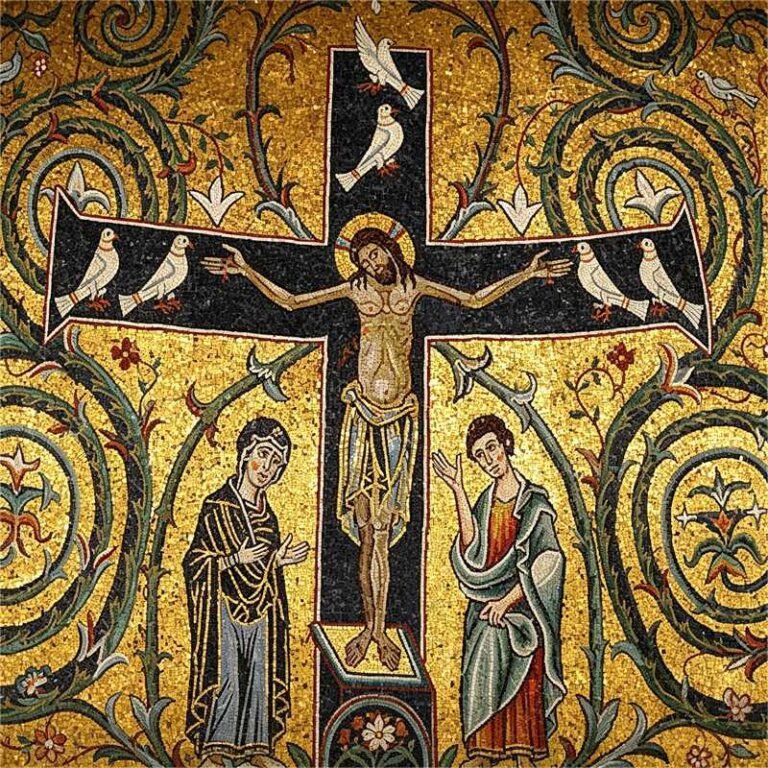
One of the earliest examples of Christian visual art can be found in the catacombs of Rome. These underground burial sites were decorated with images of Christ, the Virgin Mary, and the saints. Such images helped early Christians honor and remember those who had gone before them in the faith.
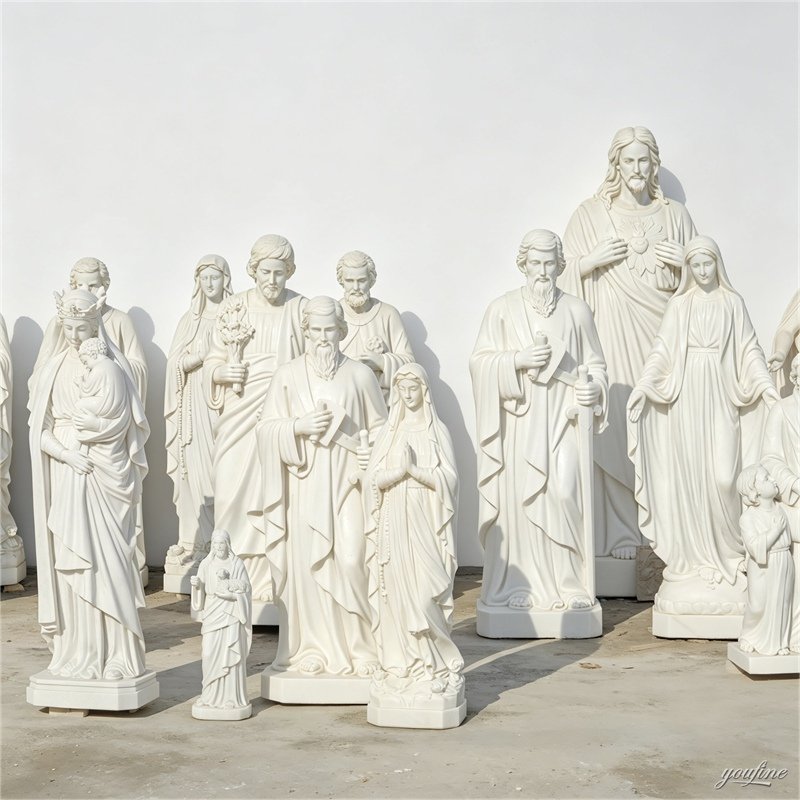
As time went on, Catholics continued to create sacred images in light of Scripture and tradition. Statues became an important way to teach the stories of the faith, especially to people who could not read. They were also used to inspire devotion, prayer, and reverence.
During the 16th and 17th centuries, especially in the period of the Counter-Reformation, the Church placed renewed emphasis on religious art and statues. They were seen as a meaningful way to strengthen devotion and deepen the spiritual life of the faithful.
Even today, there is still some debate over the use of statues in Christian life. However, in Catholic tradition, their purpose is not worship, but veneration and remembrance, based on the Church’s understanding of Scripture and tradition.
Clarifying Commonly Misunderstood Bible Verses
Two Old Testament passages are often quoted in discussions about religious statues:
“Do not turn to idols or make for yourselves molten gods: I am the Lord your God.”
— Leviticus 19:4
These verses have confused many people. Some believe they mean that Christians, especially Catholics, should never have any religious image at all. For this reason, some Evangelicals and Fundamentalists have criticized the Catholic use of statues.
However, Scripture itself shows that these verses cannot be understood as a complete ban on all sacred images. The Bible condemns idolatry, not every form of religious art.
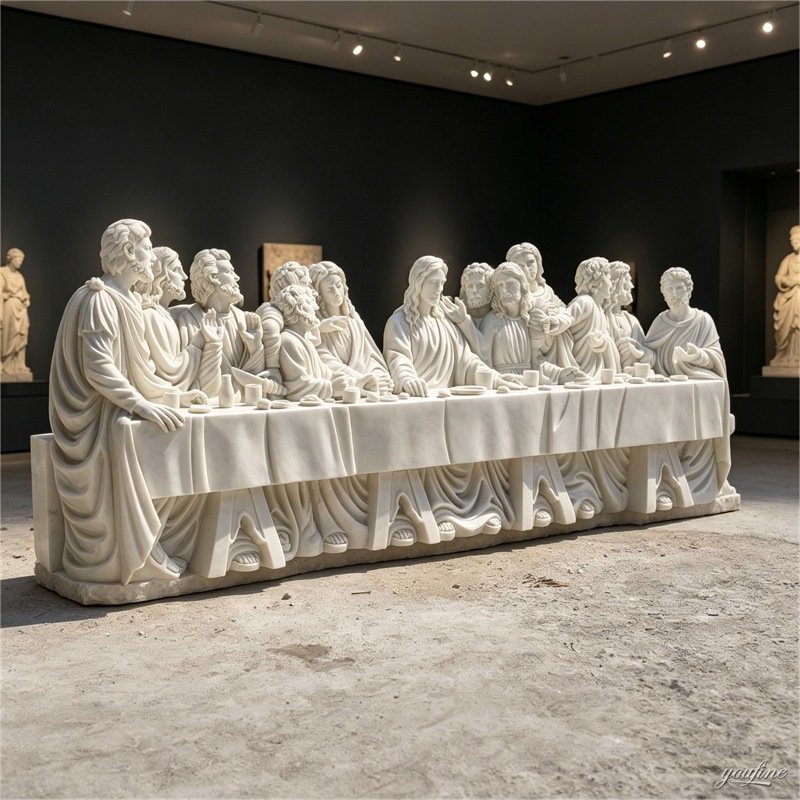
For example, in Exodus 25:18–19, God commanded Moses to make two cherubim of gold for the Ark of the Covenant. In other passages, we also find the bronze serpent, carved palm trees, and open flowers used in sacred settings. These examples show that God did not absolutely forbid sacred images. Rather, He forbade worshipping them as gods.
So the deeper meaning of these commandments is clear: God condemns idols, but He does not condemn sacred art used rightly. In fact, He can use visible things—including statues, symbols, and sacred images—to guide believers toward heavenly truths.
Biblical Support for Religious Images
Besides these Old Testament examples, one of the most powerful foundations for Christian sacred images is Jesus Christ Himself.
Jesus was born of the Virgin Mary, baptized in the Jordan, transfigured on Mount Tabor, crucified for our salvation, buried, resurrected, and ascended into heaven. In Christ, the invisible God became visible in human flesh.
As Scripture says:
“The Son is the image of the invisible God, the firstborn over all creation.”
— Colossians 1:15
This means that Jesus reveals the glory of God and makes the invisible God known to us. Because God has entered human history in visible form, Christian art has a deeper meaning. Sacred images can help believers reflect on the mysteries of Christ’s life, death, and resurrection.
Why Do Catholics Venerate Statues?
Catholics may kneel, bow, or pray before a statue, but this does not mean they are worshipping an idol. In Catholic teaching, there is an important difference between worship and veneration.
Worship belongs to God alone. Veneration, however, is a way of showing honor and reverence to Christ, the Virgin Mary, and the saints through their images. A statue is not God, nor does it have power in itself. It is a visible reminder of someone holy.
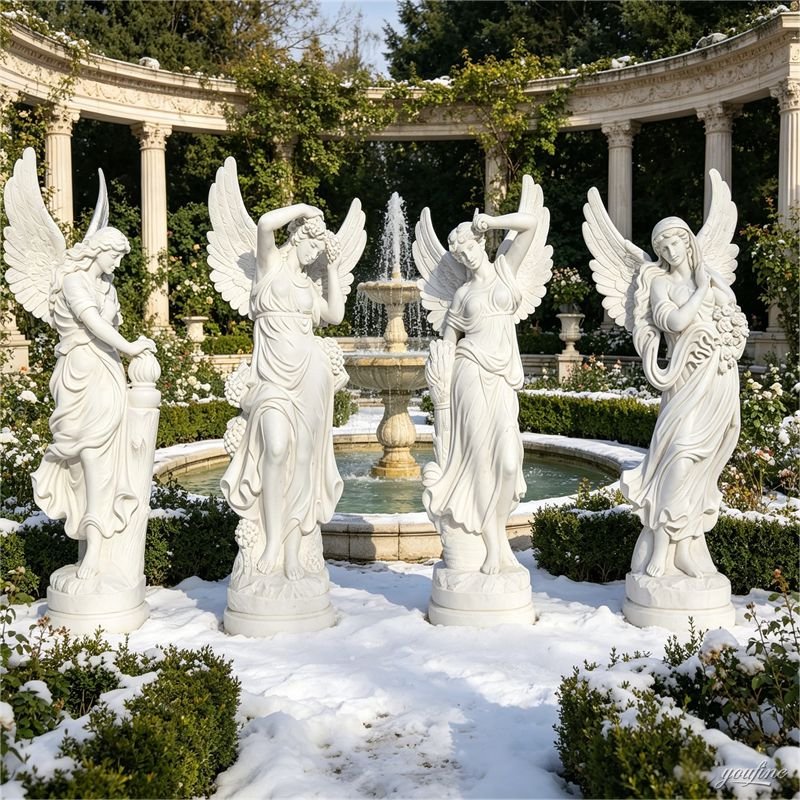
Because the Word became flesh, Christians are able to depict sacred persons in visible form. A statue can stir feelings of reverence, devotion, and prayer in a way that words alone sometimes cannot. It helps direct the mind and heart toward God.
The Symbolic Meaning of Religious Statues in the Catholic Church
Leading to the Recollection of the Divine Activities
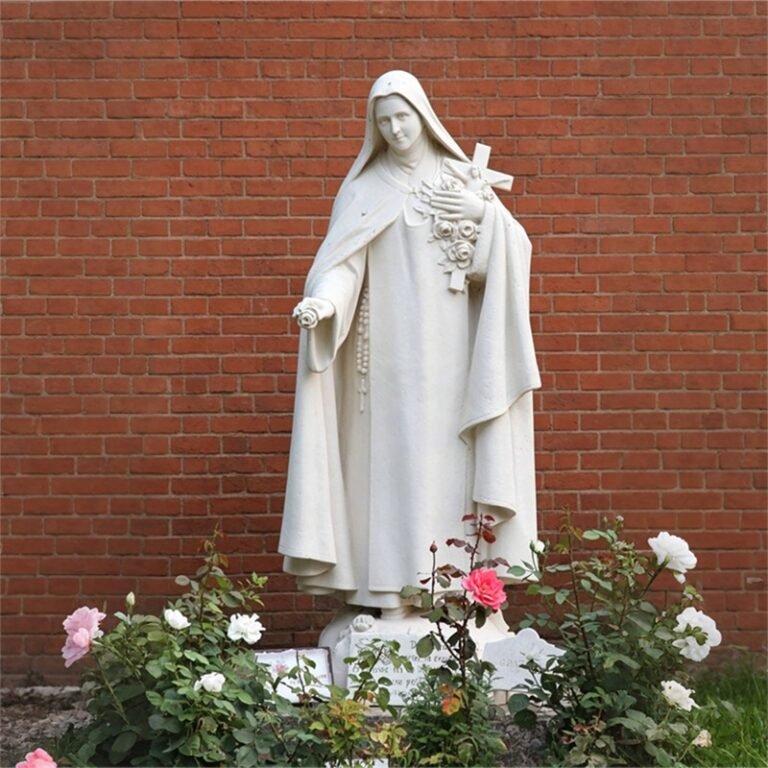
Religious statues in the Catholic Church are meant to lead believers to a recollection of divine truth and holy examples. When Catholics pray before a statue, they are not worshipping the material itself. Rather, they are using the image as a reminder of the person represented and of God’s work through that person.
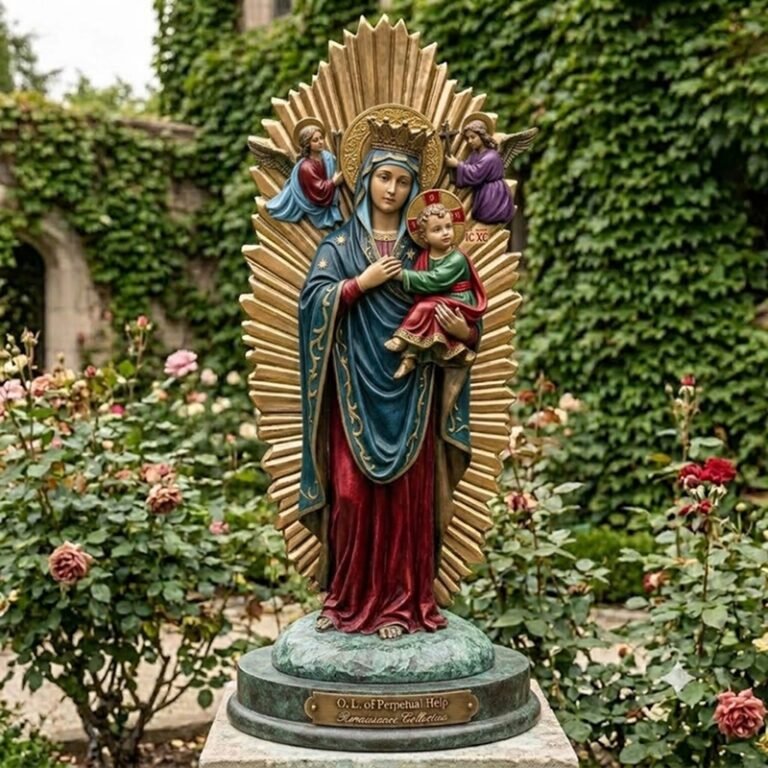
The Church teaches that sacred images help believers remember the wonders God has done. A statue of Jesus reminds us of the Incarnation and salvation. A statue of the Virgin Mary reminds us of her purity, obedience, and role as the Mother of God. A statue of a saint reminds us of holiness, sacrifice, and faithful witness.
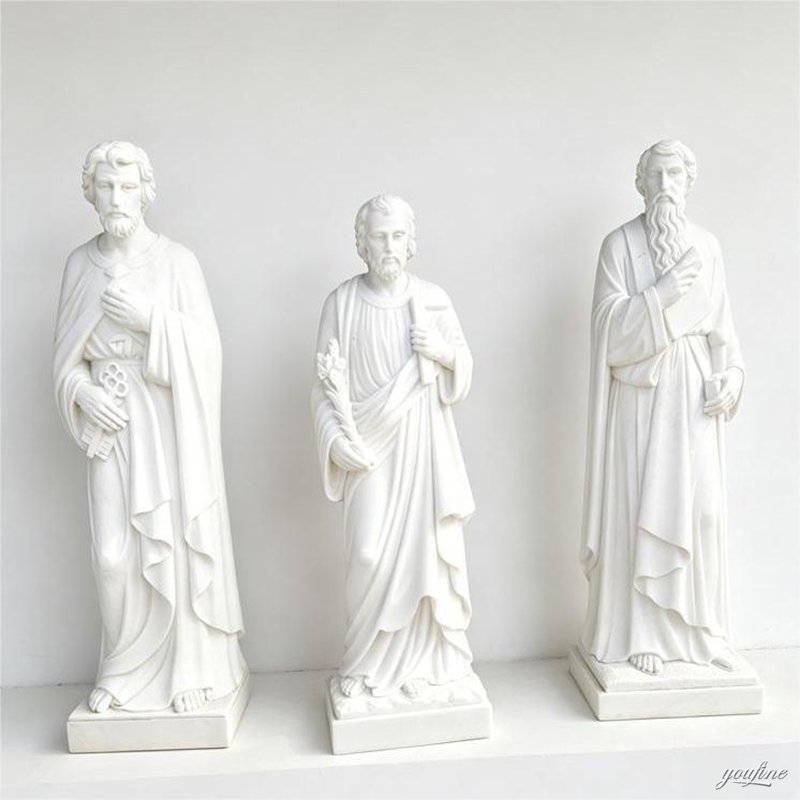
In this way, religious statues help draw us closer to God and awaken deeper faith and devotion.
Catholic tradition also teaches that material things, in themselves, are not divine. Gold, stone, wood, bronze, or marble are not worshipped. However, when these materials are used to represent someone holy, they can take on spiritual meaning for the believer. The honor shown is not given to the material, but to the holy person represented.
A Tool for Educating the Faithful
Although literacy rates today (around 86.3%) are much higher than in the past, the truths of faith can still be profound and difficult for many people to understand. Religious statues continue to serve as a powerful teaching tool.
They help believers return to a more direct and natural awareness of the divine. Sacred art can communicate truths that are sometimes difficult to express in words alone. Through statues, believers can better reflect on Scripture, Church tradition, and the lives of holy men and women.
Religious statues also serve several practical spiritual purposes:
- Focal points for prayer
- Preserving memory and tradition
- Beautifying sacred spaces
- Encouraging devotion
- Helping believers reflect on the mysteries of faith
Common Types of Catholic Religious Statues
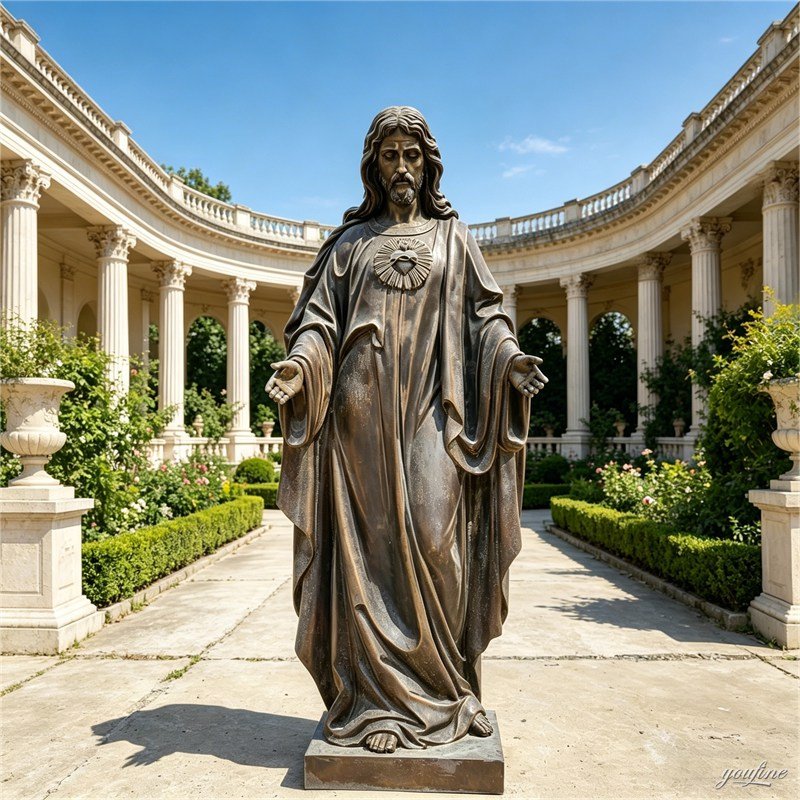
Jesus Statues
Jesus statues are among the most common in the Catholic Church. Popular forms include the Sacred Heart of Jesus, the Good Shepherd, Christ on the Cross, the Homeless Jesus, and open-arm Jesus statues. Open-arm Jesus statues are especially meaningful because they express Christ’s welcome, mercy, and limitless love for humanity.
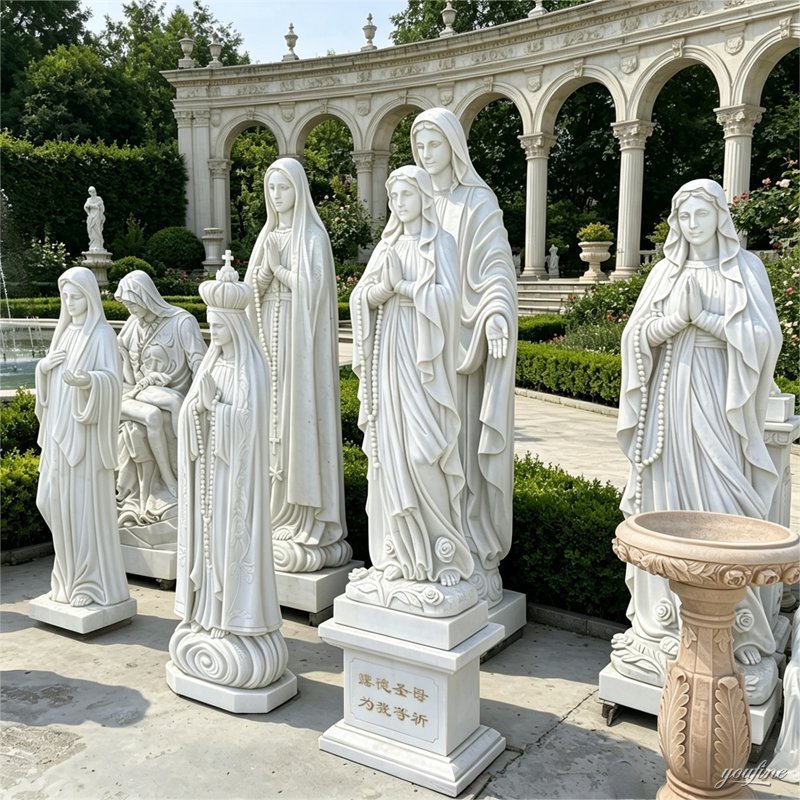
Virgin Mary Statues
Statues of the Virgin Mary are also deeply important in Catholic devotion. As the Mother of the Son of God and a model of purity and obedience, Mary is honored in many forms. Our Lady of Fatima and Our Lady of Lourdes are two of the most popular examples. These images often inspire prayer, reflection, and a deeper appreciation of Mary’s role in salvation history.
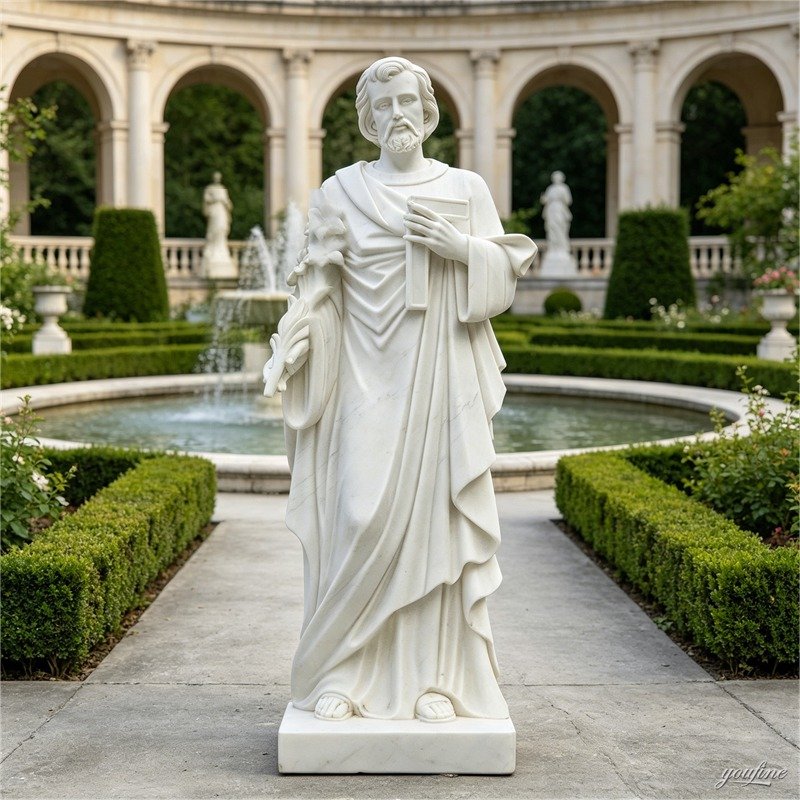
Saint Joseph Statues
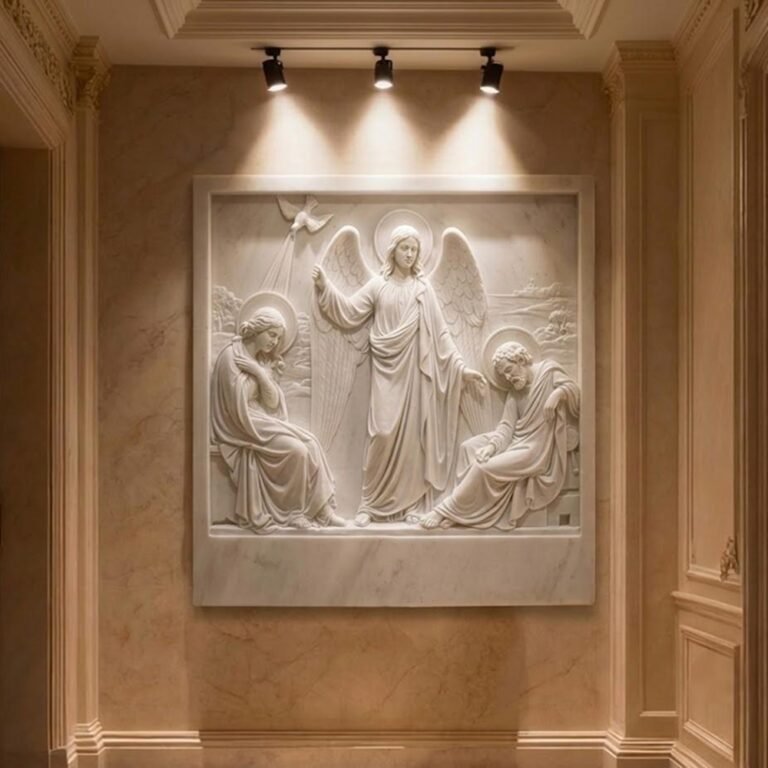
Saint Joseph is honored as the earthly guardian of Jesus and a model of humble service, fatherly care, and faithful responsibility. A statue of Saint Joseph can bring a peaceful and protective atmosphere to churches, schools, homes, and prayer spaces.
Conclusion
Religious statues play an important role in the Catholic Church. Honoring a statue does not mean worshipping an idol. Rather, it is a way of honoring the holy person represented and lifting the heart toward God.
In Catholic tradition, statues help believers remember Christ, the Virgin Mary, and the saints. They make sacred truths more visible, encourage prayer, preserve tradition, and beautify places of worship. Far from being a form of blasphemy, the proper use of religious statues reflects a deep desire to come closer to God and to the heavenly home to which all believers are called.