For many people, Saint Anthony symbolizes hope, help in times of loss, compassion for the poor, and trust in God. Many know him as the patron saint of lost things, but his meaning goes far beyond lost objects.
For believers around the world, Saint Anthony represents comfort, kindness, love, forgiveness, and the quiet reassurance that we are never completely alone.
In religious art and devotional sculpture, Saint Anthony is one of the most recognizable and beloved saints.
His image appears in churches, home prayer corners, Catholic gardens, and sacred spaces around the world.
In this post, I want to share what Saint Anthony symbolizes to many people, why his image remains so meaningful in religious sculpture, and a personal experience that deepened my devotion to him.
Who is St. Anthony?
Saint Anthony, also known as Anthony of Lisbon, was born in Lisbon, Portugal, on August 15, 1195, and died on June 13, 1231, in Italy.
He was born into a prominent family and later became a Catholic priest and Franciscan friar.
During his lifetime, he became known for his powerful preaching, deep knowledge of Scripture, and great love for the poor and the sick. He was canonized less than a year after his death, making him one of the fastest canonized saints in Church history.
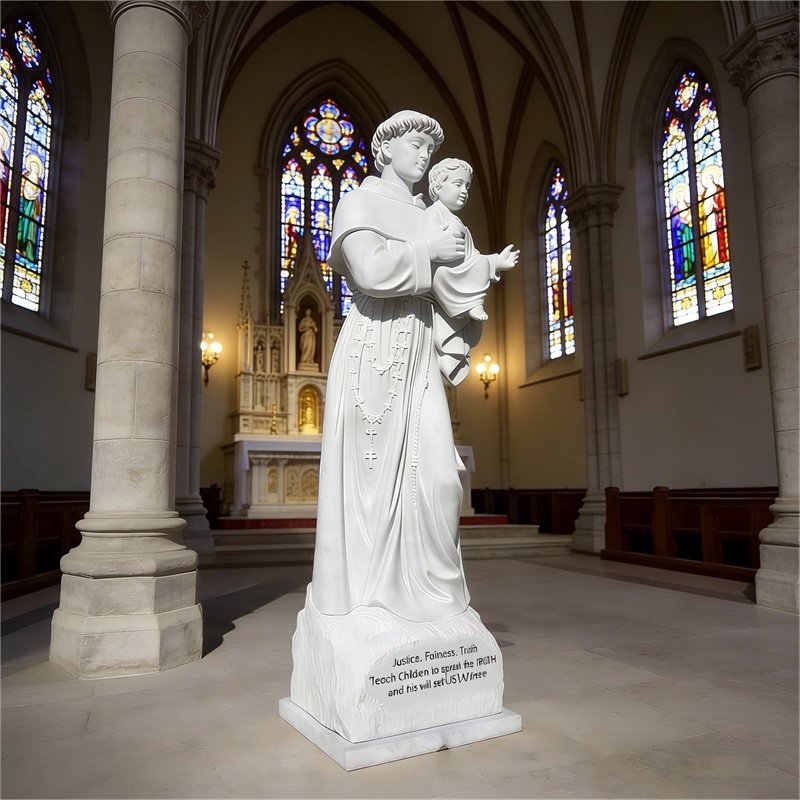
He was later declared a Doctor of the Church, a title given to saints whose teaching has had lasting importance.
In Catholic sculpture and devotional art, he is often shown holding the Child Jesus, a lily, or a book.
These images are not random.
They express the heart of who he was: a man of prayer, purity, wisdom, and deep closeness to Christ.
What Does Saint Anthony Symbolize?
Saint Anthony is beloved because he symbolizes both spiritual comfort and undying help.
People do not only think of him as someone connected with lost things. He also represents mercy, faith, charity, and quiet strength in difficult times.
This is one reason his image remains so popular in religious statues, church decoration, Catholic gifts, and devotional sculpture collections.
His symbolism is deeply human, which makes his statue meaningful not only as sacred art, but also as a visual reminder of prayer and hope.
The Patron of Lost Things
This is the meaning most people recognize first.
Saint Anthony is widely known as the patron saint of lost things. According to a traditional story, this devotion began after he prayed for the return of a valuable book that had been taken from him by a novice. The book was later returned, and the friar went back to his order. Over time, people began asking for his intercession whenever they lost something important.
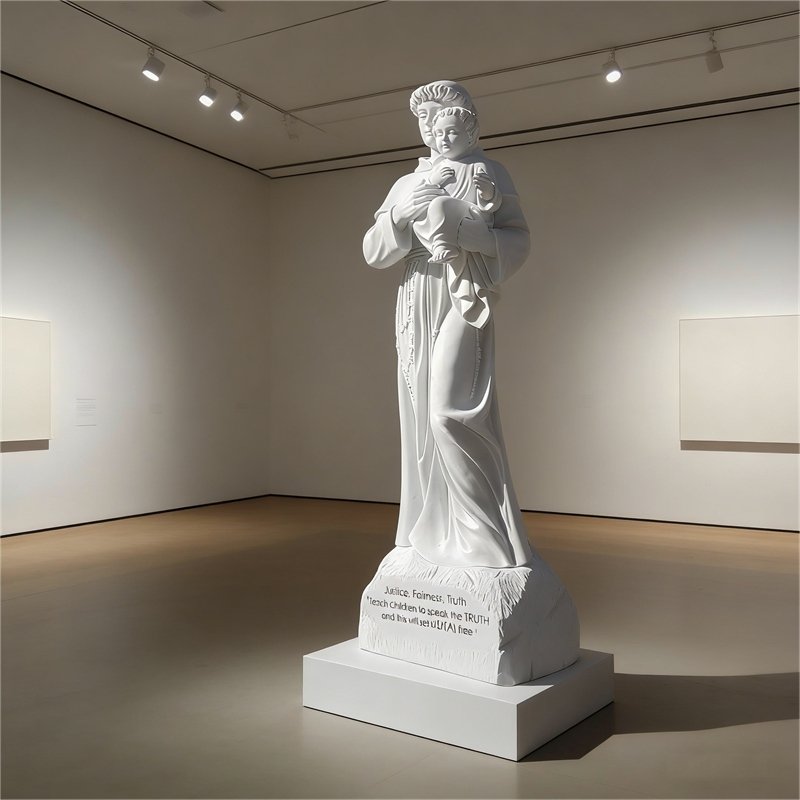
But in a deeper spiritual sense, what is lost does not always have to be an object. Sometimes people feel that they have lost peace, hope, confidence, direction, and more.
This is one reason Saint Anthony remains so meaningful. He symbolizes the hope that what feels lost in life may still be restored.
Compassion and Care
Saint Anthony is also a symbol of love expressed through action. He was known for caring for the poor, the suffering, and those in need. His life reminds us that holiness is not only about prayer and words. It is also about generosity, mercy, and attention to other people’s pain.
In my own life, every hardship I have gone through has felt worth bringing before Saint Anthony in prayer. Whenever I pray before him, I feel a deep spiritual peace and a quiet sense that he is always by my side, helping me rise out of the mud of difficulty.
This makes him especially beloved. He feels close to ordinary life, not distant from it. That sense of closeness is one reason why many churches, families, and collectors choose Saint Anthony statues for spaces of prayer and reflection.
Trust in God’s Intercession
People turn to Saint Anthony in moments of anxiety because he represents calm reliance on God’s help. His presence in popular devotion is not just about recovering missing things. It is also about learning to pray when we feel powerless.
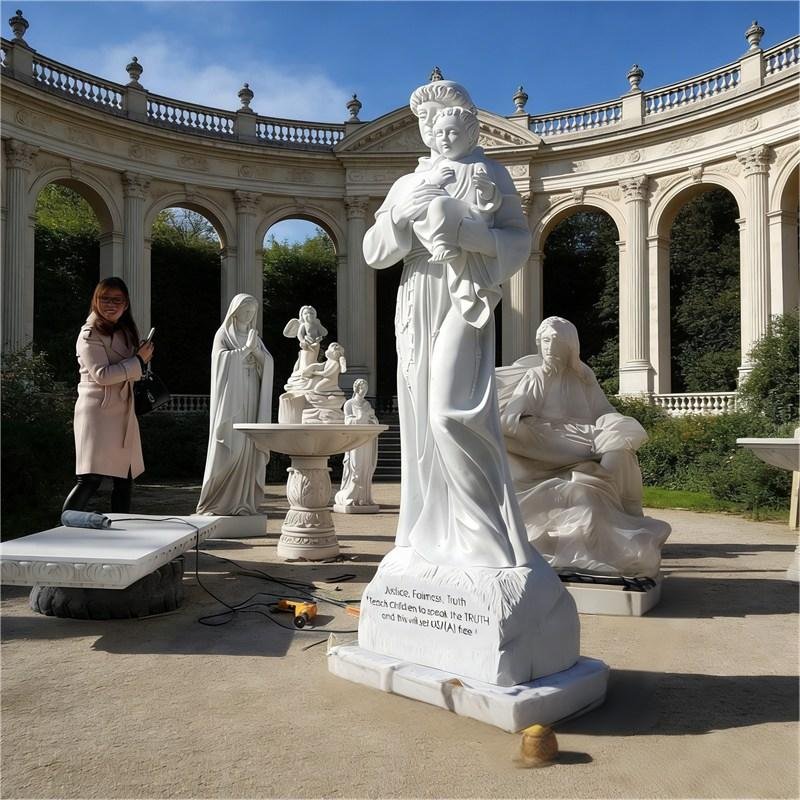
He reminds believers that even when circumstances are confusing, God is still present.
In this sense, Saint Anthony symbolizes:
- trust during uncertainty
- patience while waiting
- comfort in distress
- faith in divine care
Love and Forgiveness
In some places, Saint Anthony is also associated with love and marriage. Folk traditions in several countries connect him with helping people find a partner or strengthening relationships.
Beyond these customs, the deeper meaning is more beautiful and lasting. He symbolizes the Christian call to love generously, forgive sincerely, and remain faithful even through hardship. His life points not to romance alone, but to love rooted in kindness, mercy, and spiritual maturity.
Protector of Sailors and Fishermen
In some cultures, Saint Anthony is also honored by sailors and fishermen. One of the most famous legends says that when people refused to listen to his preaching, he turned toward the sea and preached to the fish instead. According to the story, the fish gathered as if listening to him.
Whether understood as legend, devotion, or symbolic tradition, this image helped inspire love for him in coastal communities. It also reflects how people saw him: a preacher whose words could reach hearts that seemed closed.
The Meaning of Saint Anthony in Religious Sculpture
One reason Saint Anthony remains so popular in Catholic statuary and devotional sculpture is that his visual symbols are clear, tender, and rich in meaning. For churches, religious gift shops, prayer spaces, and collectors of sacred art, these details make his image immediately recognizable.
The Child Jesus symbolizes intimacy with Christ and deep contemplative prayer.
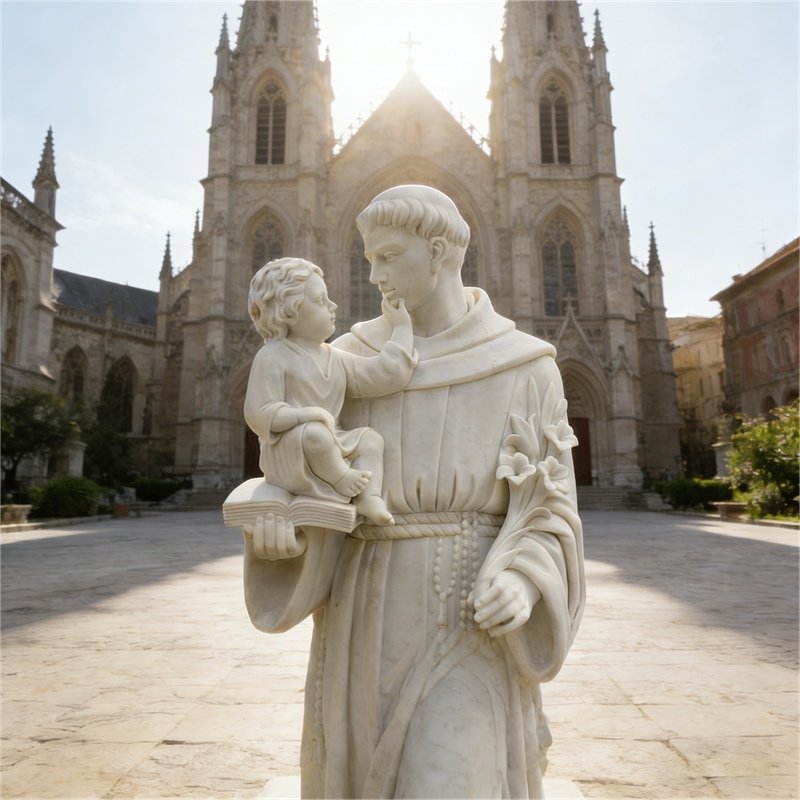
The lily symbolizes purity and holiness.
The book symbolizes wisdom, teaching, and knowledge of Scripture.
The bread associated with him points to charity and care for the poor.
Together, these symbols show that Saint Anthony is not only linked with miracles or lost objects. He also represents a life shaped by faith, humility, learning, and love.
In sculpture, these details are especially important because they help communicate meaning without words. A well-made religious statue does more than decorate a space. It expresses devotion, tradition, and spiritual identity.
Why Saint Anthony Statues Remain Popular
Saint Anthony’s image continues to be one of the most requested in religious sculpture.
Part of the reason is devotional. Many people feel personally connected to him through prayer. Another reason is artistic: his figure is gentle, peaceful, and full of symbolic beauty. A statue of Saint Anthony often brings warmth to a sacred space because it combines tenderness with spiritual depth.
For those involved in religious art, church decoration, or custom saint statue projects, Saint Anthony remains a meaningful and timeless subject.
My Personal Experience of Saint Anthony’s Help
For me, Saint Anthony is more than a historical figure but a quiet spiritual friend.
Just before the Lunar New Year in 2026, I received distressing news: a client’s sculpture had gone missing from a warehouse at the port. I was extremely anxious because the sculpture was worth about $5,300, and I was afraid of both the financial loss and the damage to trust.
I contacted nearly everyone who might have been able to help, but no one could give me a clear answer.
Finally, I went to my prayer corner. As a sculpture consultant and a devout Catholic, I keep several saint statues there. I stood before Saint Anthony, took a deep breath, closed my eyes, and prayed silently:
“Saint Anthony, please come around; something is lost and needs to be found.”
I repeated the prayer several times.
At first, nothing happened.
But later, I received positive news: the warehouse manager found the sculpture, and the insurance company also offered a compensation plan that covered the loss. I felt deeply relieved and grateful.
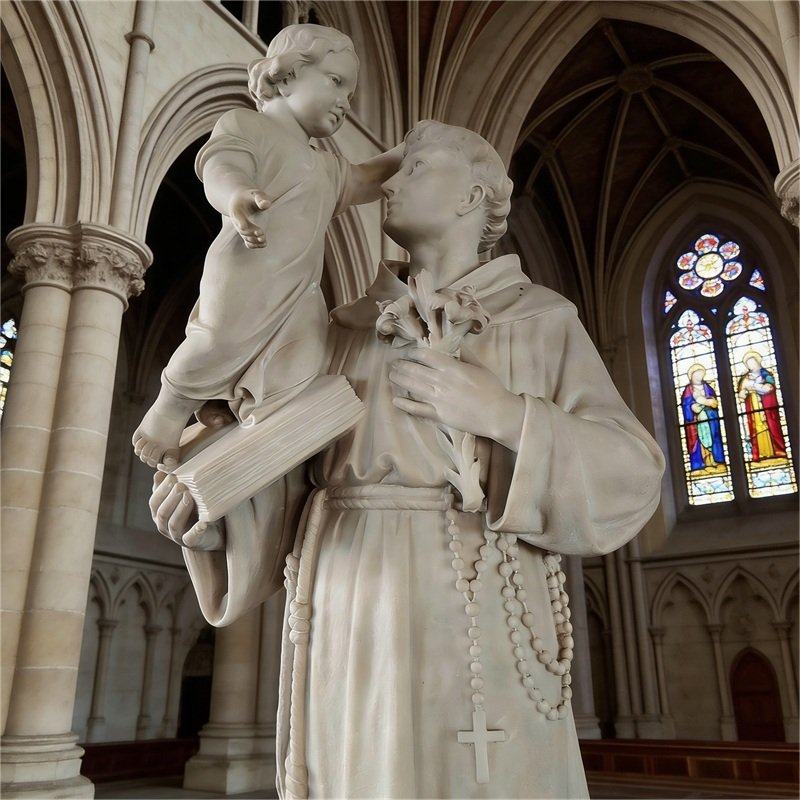
To me, this was one more moment of grace. Some may call it providence, some may call it answered prayer, and others may simply call it a meaningful coincidence. I received it with thanksgiving.
As someone working in the sculpture field, that experience made this saint feel even closer to my daily life. Since then, every time I see a Saint Anthony statue, I am reminded not only of religious tradition, but also of peace in the middle of practical stress.
A Traditional Prayer to Saint Anthony
A short traditional prayer many people say is:
“Saint Anthony, Saint Anthony, please come around; something is lost and needs to be found.”
Another version is:
“Saint Anthony, Saint Anthony, please return what does not belong to thee.”
These prayers are simple, humble, and deeply loved. Their beauty lies in their directness. They express trust in a moment when a person feels helpless, worried, or overwhelmed.
Prayer to Saint Anthony is best understood not as a magical formula, but as an act of faith, hope, and surrender.
A Small but Important Clarification
One point is worth mentioning for accuracy.
Saint Anthony is sometimes confused with Saint Anthony the Great, an earlier saint connected with the desert, monastic life, and the image of a pig. These are two different saints. The traditions about pigs and domestic animals belong mainly to Saint Anthony the Great, not to the Saint Anthony most people pray to for lost things.
Why Saint Anthony Still Matters Today
Saint Anthony remains loved because his symbolism speaks to everyday human experience. Everyone loses something. Sometimes it is a small object. Sometimes it is peace, courage, trust, or direction.
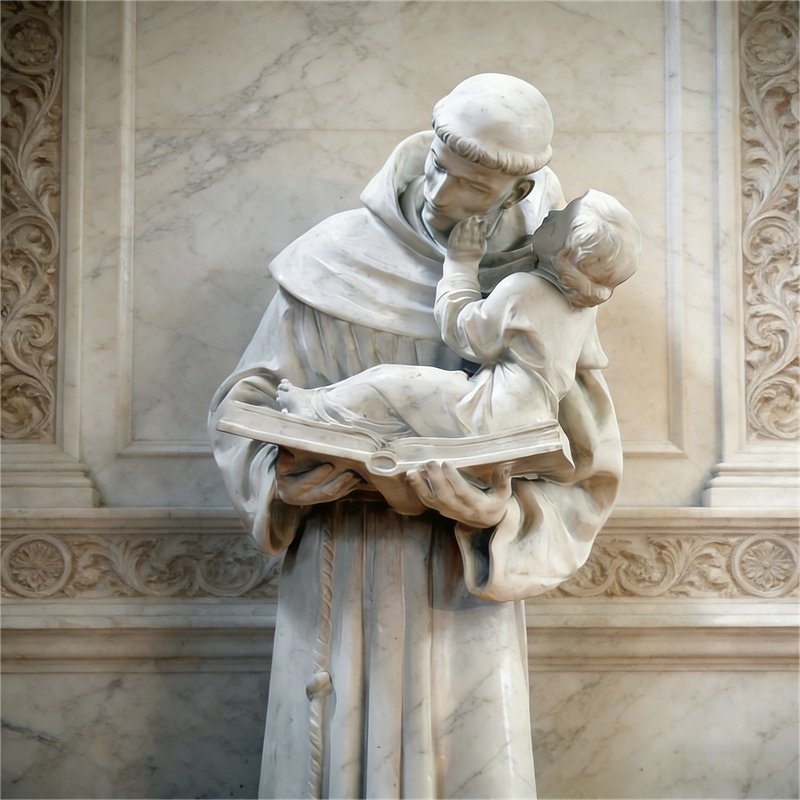
That is why devotion to him continues across generations and cultures. It is also why his image continues to appear in religious sculpture, sacred interiors, garden statues, and Catholic devotional art.
He reminds us that:
- what is lost may still be found
- anxiety can be brought into prayer
- faith and compassion belong together
- holiness can be close to daily life
He is not only a figure from the past. For many people, he is a symbol of hope in ordinary life.
Final Reflection
Saint Anthony symbolizes finding what is lost, trusting God in difficulty, caring for the poor, and living with love and humility. That is why so many people continue to pray to him and feel close to him.
For me, he is one of those rare saints who feels both holy and near. He reminds us that grace can enter even the most stressful and ordinary moments, and that sometimes what we need most is not only to find what is missing, but also to recover peace in the process.
His lasting presence in religious statues and devotional sculpture reflects that same truth. A Saint Anthony statue is not only a work of sacred art. It is also a symbol of comfort, prayer, and hope.